

Banksy’s New Waterloo Place Statue: Why the Flag-Blinded Figure Has Everyone Talking
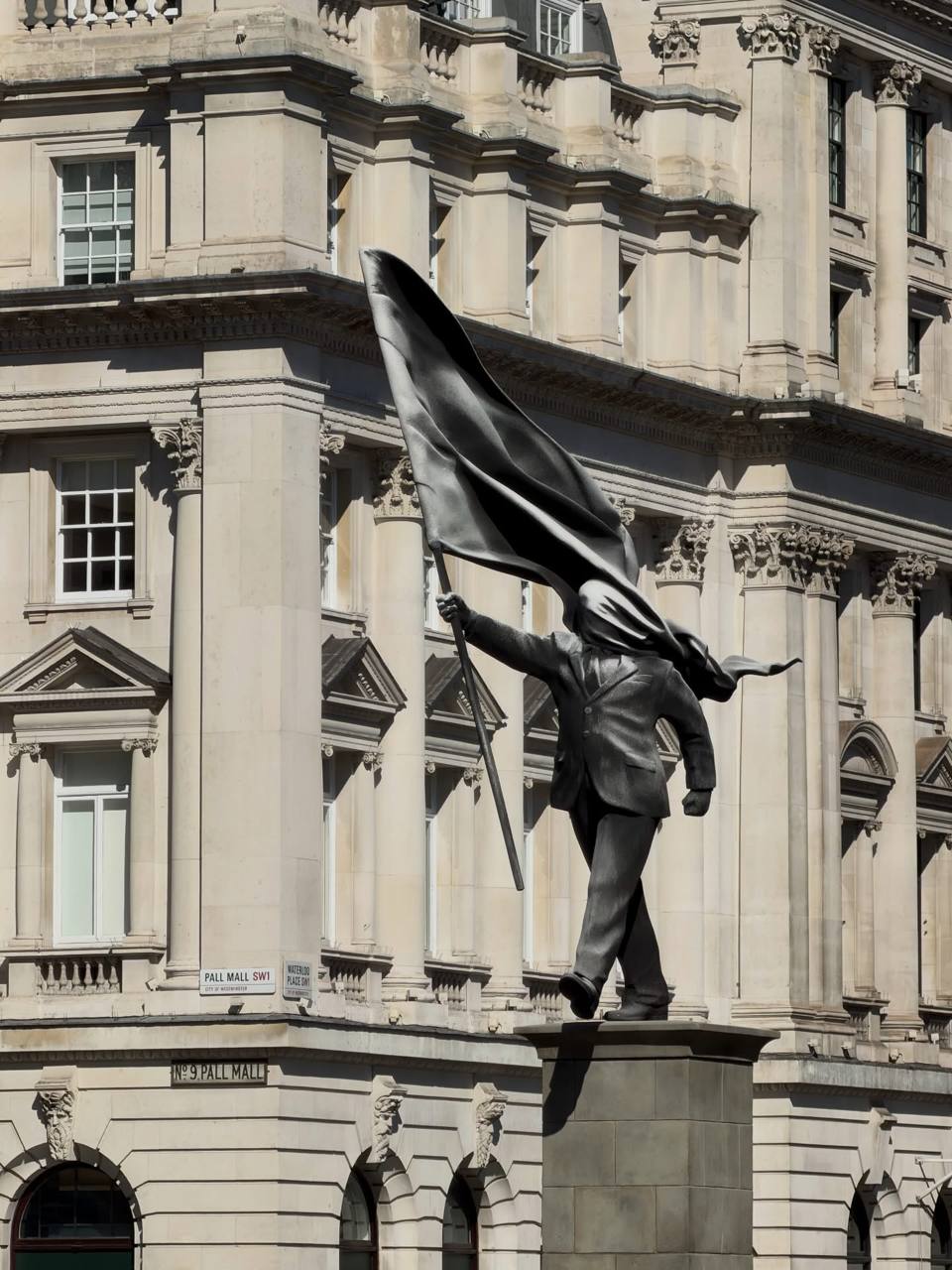
Banksy has confirmed that the large statue which appeared in Waterloo Place, central London, is his work — and, as usual, the image does most of the talking.

The sculpture shows a suited figure stepping forward from a plinth while carrying a flag that covers his face. It is simple, theatrical and immediately readable: a man in apparent authority, moving with confidence, but unable to see where he is going.
Placed among the grand memorials and imperial architecture of St James’s, the work feels deliberately loaded. Waterloo Place is not a neutral backdrop. It is a ceremonial part of London, surrounded by statues, clubs and monuments connected to power, empire and military history. Banksy’s figure does not just stand there; it interrupts the language of the space.
A statue about power — but not the usual kind
Most public statues are designed to project permanence. They ask us to look up at leaders, generals, monarchs or national heroes. Banksy’s Waterloo Place figure does the opposite.
Instead of a person frozen in triumph, we see someone caught in a moment of danger. The suited figure appears to be stepping off the plinth. The flag, normally a symbol of identity or pride, becomes a blindfold. The pose suggests confidence, but the situation suggests a fall.
That tension is what makes the sculpture work. Banksy has always been good at taking familiar symbols and turning them until they say something uncomfortable. Here, the flag is not simply patriotic. It is obstructive. It blocks vision. It becomes the thing that stops the figure from seeing reality.
Why the Waterloo Place location matters

The location is a big part of the message.
Waterloo Place sits in one of London’s most ceremonial areas, close to monuments and buildings associated with Britain’s imperial and military past. By adding a new figure into that setting, Banksy is effectively joining a conversation that has been going on for generations: who gets remembered, who gets celebrated and what public monuments are really for.
Traditional statues tend to simplify history. They turn people into symbols. Banksy’s sculpture does the reverse. It takes a symbol — the suited statesman, the flag, the plinth — and makes it unstable.
The result is not a quiet gallery object. It is public art doing exactly what public art can do best: forcing a reaction from people who were not necessarily looking for art in the first place.
What could the flag-blinded figure mean?
Banksy rarely gives a neat explanation, which is part of the reason his work travels so quickly online. The new statue has already been read as a comment on nationalism, political arrogance and the risks of confusing certainty with clarity.
The flag is the most important visual clue. In many artworks, a flag is used to represent pride, unity or belonging. Here, it covers the figure’s face. That changes everything.
The sculpture seems to ask a sharp question: what happens when a person, or a country, becomes so wrapped in its own symbols that it can no longer see where it is heading?
That is classic Banksy territory. His work often uses an instantly understandable image to open up a bigger argument. You do not need a long caption to understand the core idea. The visual joke lands first. The political sting follows.
How it fits Banksy’s wider public art legacy
Banksy’s public works are often temporary. They appear suddenly, attract crowds and media attention, then may be covered, protected, removed or damaged. That short lifespan is part of their power.
The Waterloo Place statue follows the same pattern. It is not just an object; it is an event. People gather around it, photograph it, debate it and share it. The work becomes a public conversation almost as much as a physical sculpture.
This is why Banksy remains so influential. His art is easy to recognise, but hard to reduce to one meaning. Whether it is a stencil on a wall, an unexpected installation or a satirical image, the best Banksy pieces tend to combine humour, tension and a strong visual hook.
For a broader look at his most recognisable works, see our guide to famous Banksy artworks and street art pieces.
Why Banksy still works so well as wall art
Part of Banksy’s appeal is that his images stay direct even when the meaning is layered. A Banksy piece can work visually from across the room, but still reward a closer look.
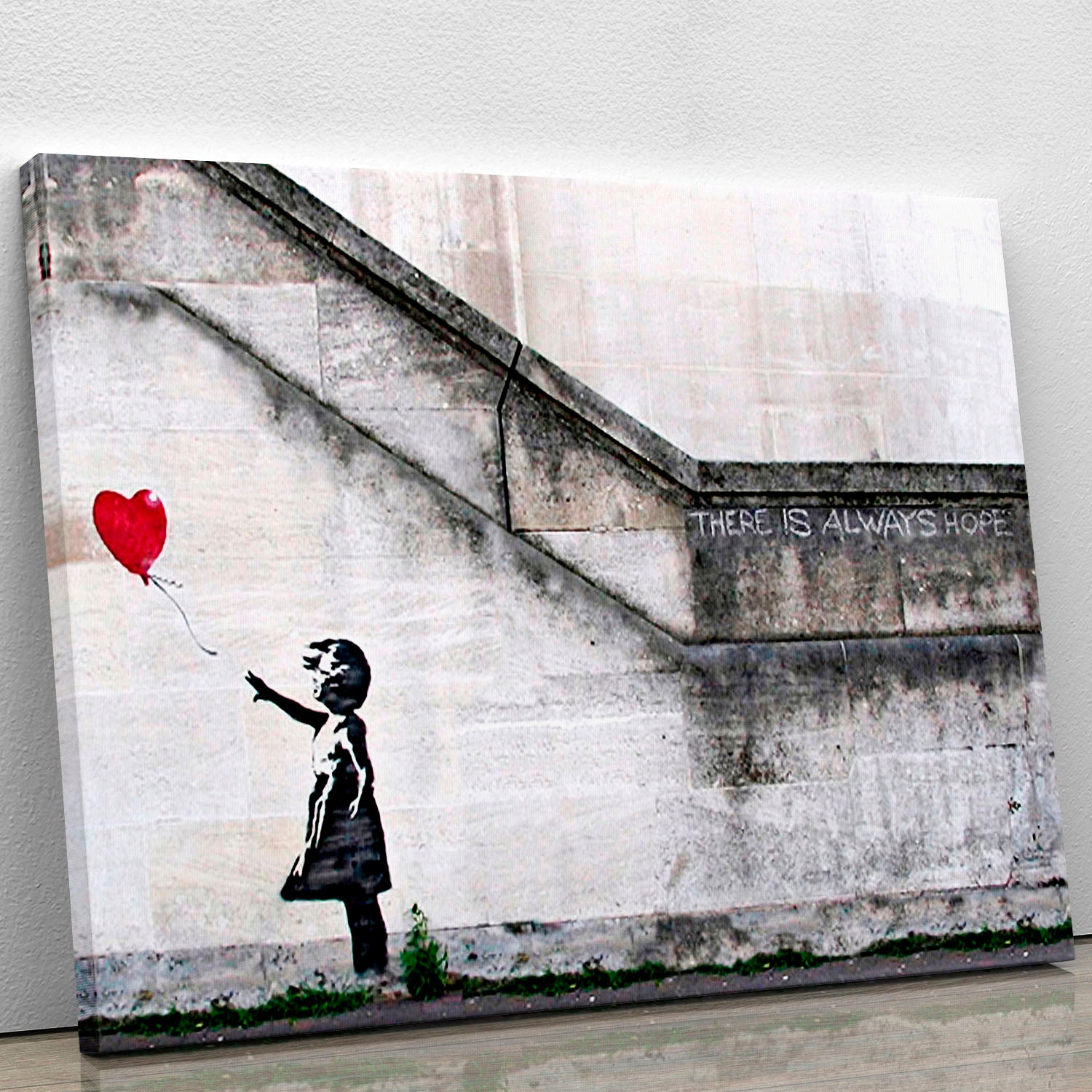
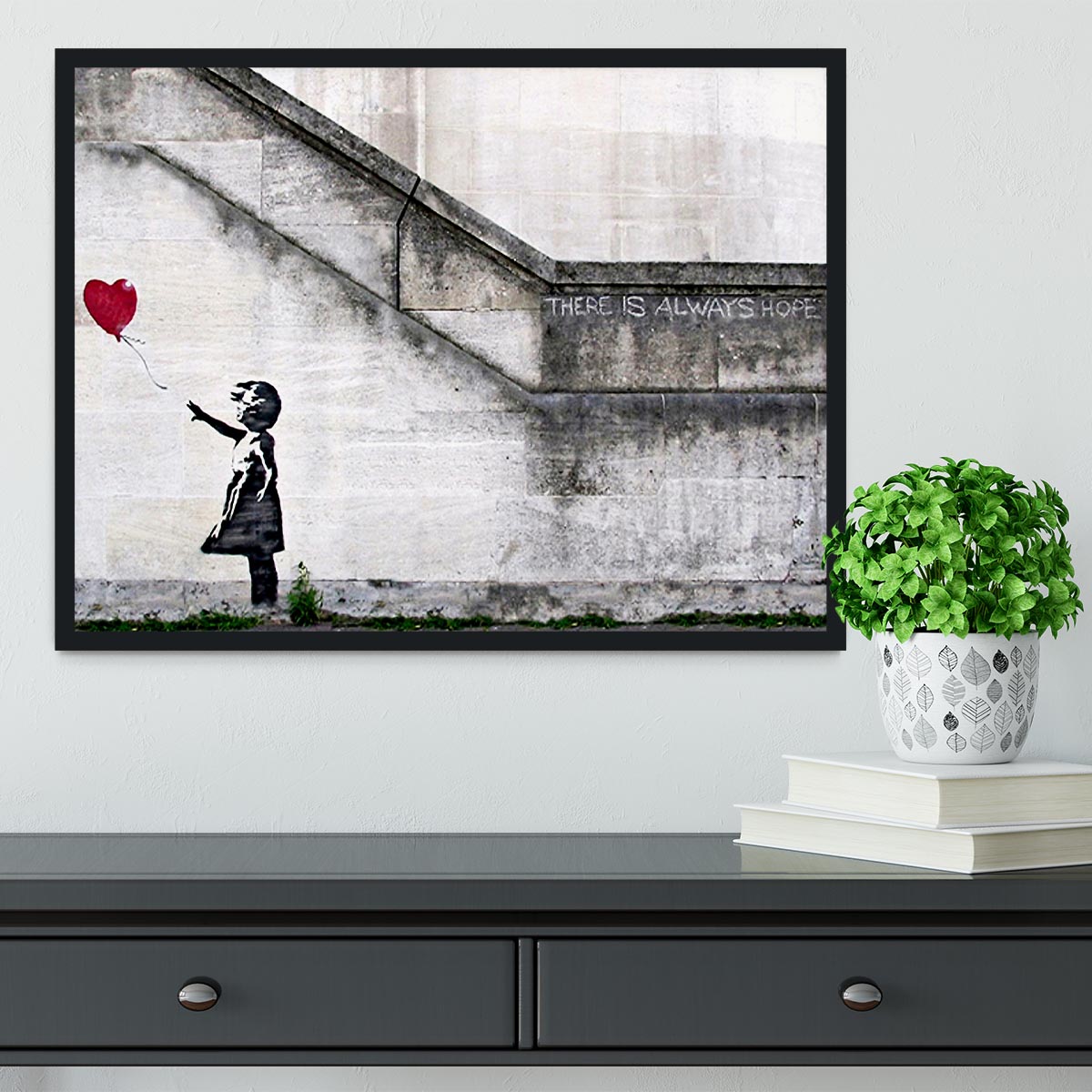
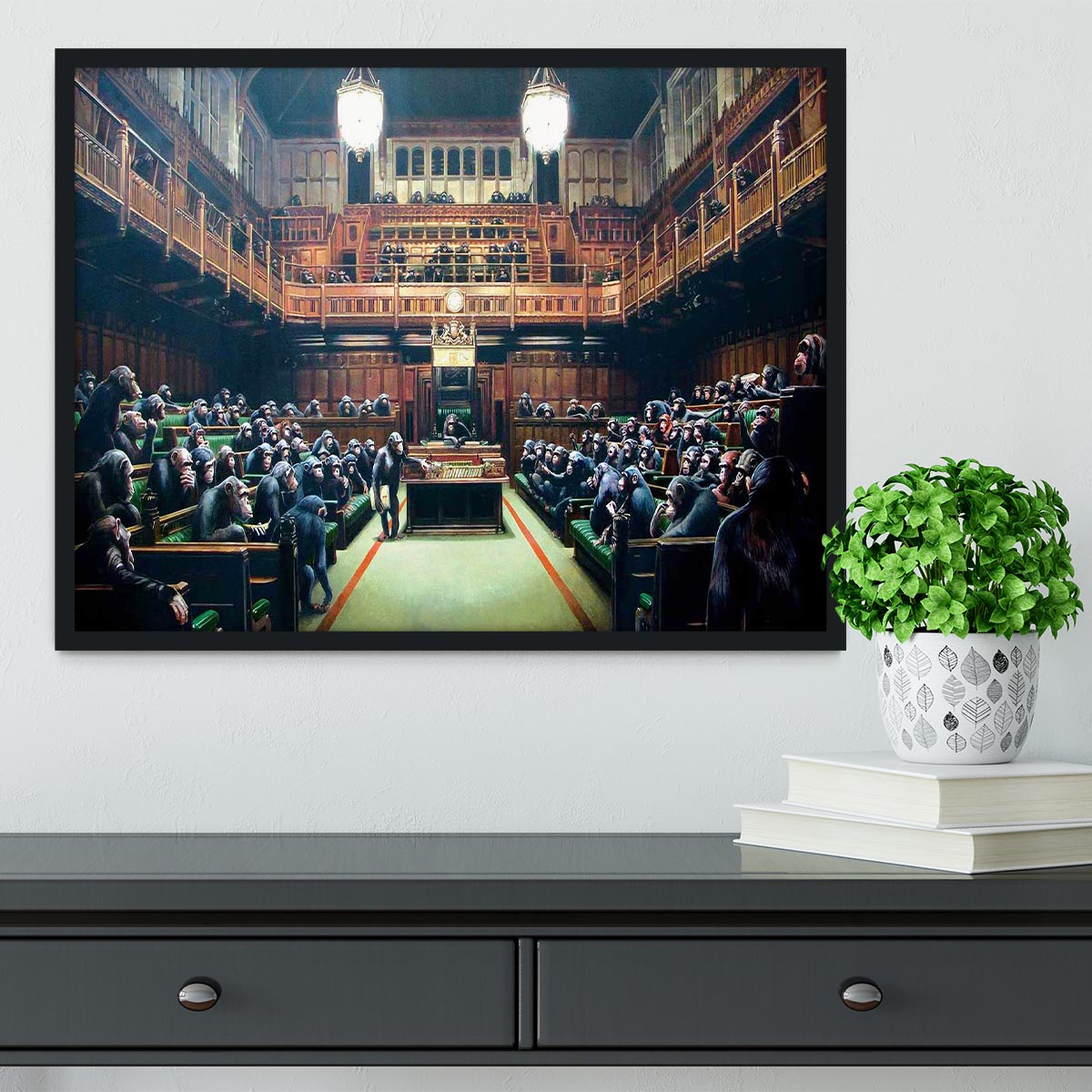
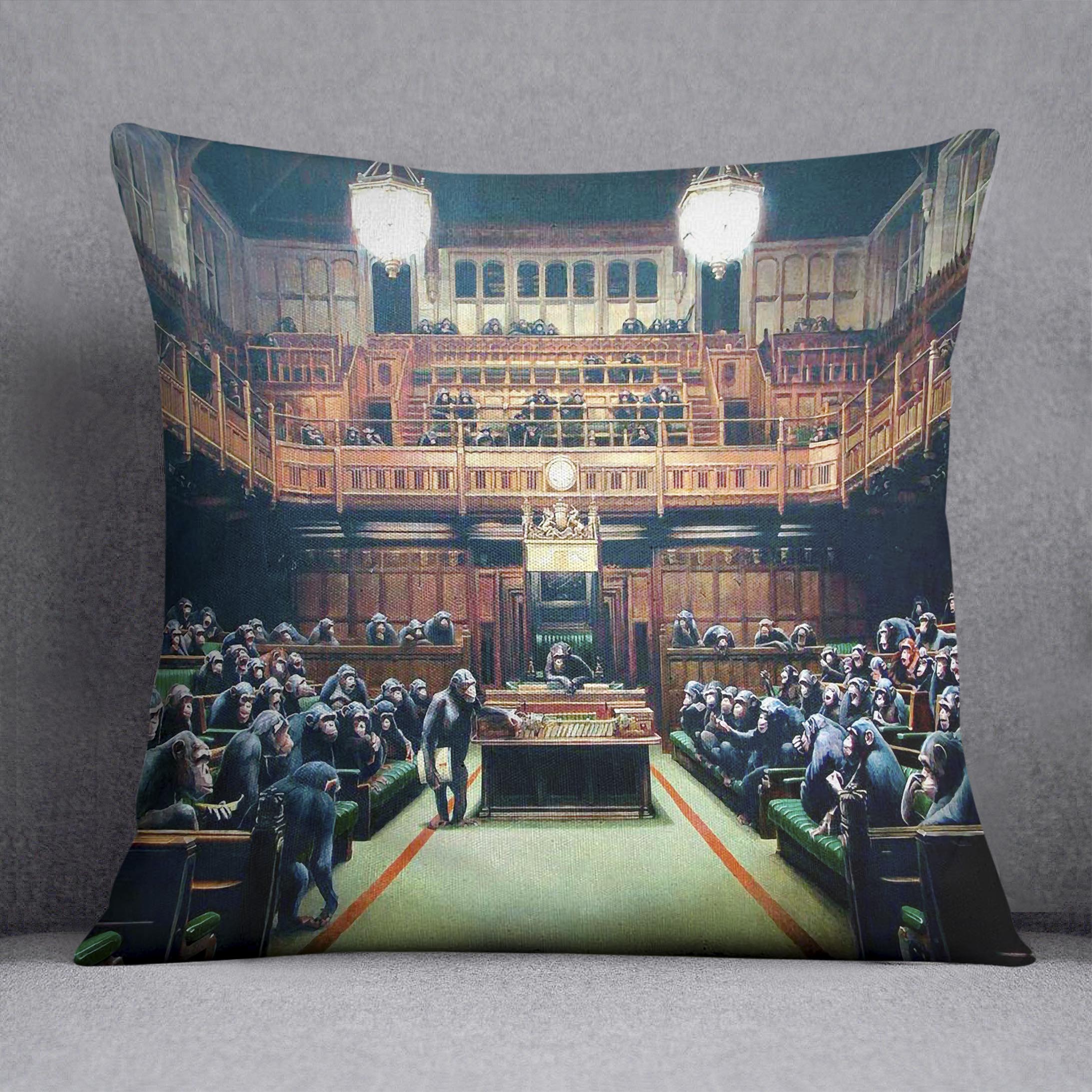
That is why his most popular works translate so well into home interiors. Pieces such as Flower Thrower, There Is Always Hope and Monkey Parliament all carry strong graphic impact, but they also bring conversation into a space.
If the Waterloo Place statue has made you revisit Banksy’s work, explore our full range of Banksy prints, posters and canvas wall art. For a more finished, ready-to-hang look, browse Banksy framed prints.
Final thought
The best public art does not just decorate a place. It changes how people look at it.
Banksy’s Waterloo Place statue does that neatly. It drops a new figure into a historic setting and uses one simple visual idea — a man blinded by his own flag — to question power, certainty and national myth-making.
Like much of Banksy’s work, it is funny at first glance, darker on second thought and difficult to ignore once you have seen it.