

Framed Canvas Prints vs Floating Framed Canvas: Which Wall Art Format Is Right for Your Room?
Choosing wall art is much easier once you know what each format actually does for a room. Framed canvas prints, floating framed canvas, standard canvas prints and framed paper prints can all look brilliant, but they create different effects on the wall.
If you want a quick route into the right range, start with our floating framed canvas prints, framed prints and canvas prints and posters. If you want the detail first, this guide will help you choose the finish that suits your room, style and budget.
Quick answer: which format should you choose?
- Choose floating framed canvas if you want the most premium canvas look, with depth, a clean border and a gallery-style shadow gap.
- Choose framed prints if you like a crisp, classic picture-frame finish, especially for photography, fine art, posters and more formal rooms.
- Choose standard canvas prints if you want bold wall art with a softer, frameless edge and strong value across larger sizes.
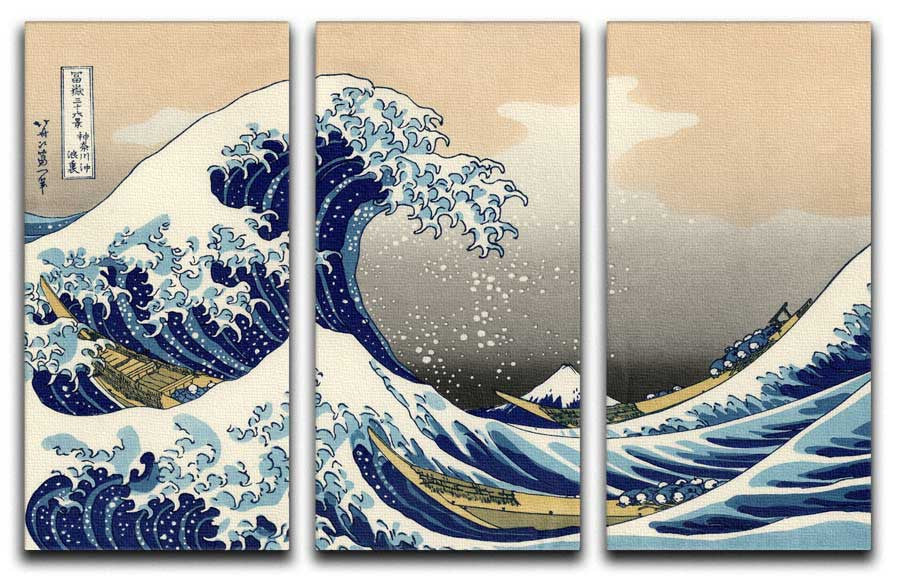
- Choose split canvas prints if you want a wider statement piece across a sofa, bed or dining area.
There is no single “best” option. The right choice depends on how polished, dramatic or flexible you want the final wall to feel.
What are framed canvas prints?
In everyday search language, framed canvas prints often means canvas wall art with an added frame or border. The appeal is simple: you get the texture and depth of canvas, but with a more finished edge than a standard stretched canvas.
That makes framed canvas art a strong option when the room already has a considered interior scheme. A frame can make the artwork feel more intentional, particularly in living rooms, bedrooms, home offices and hallways where a plain canvas might feel slightly casual.

What is floating framed canvas?
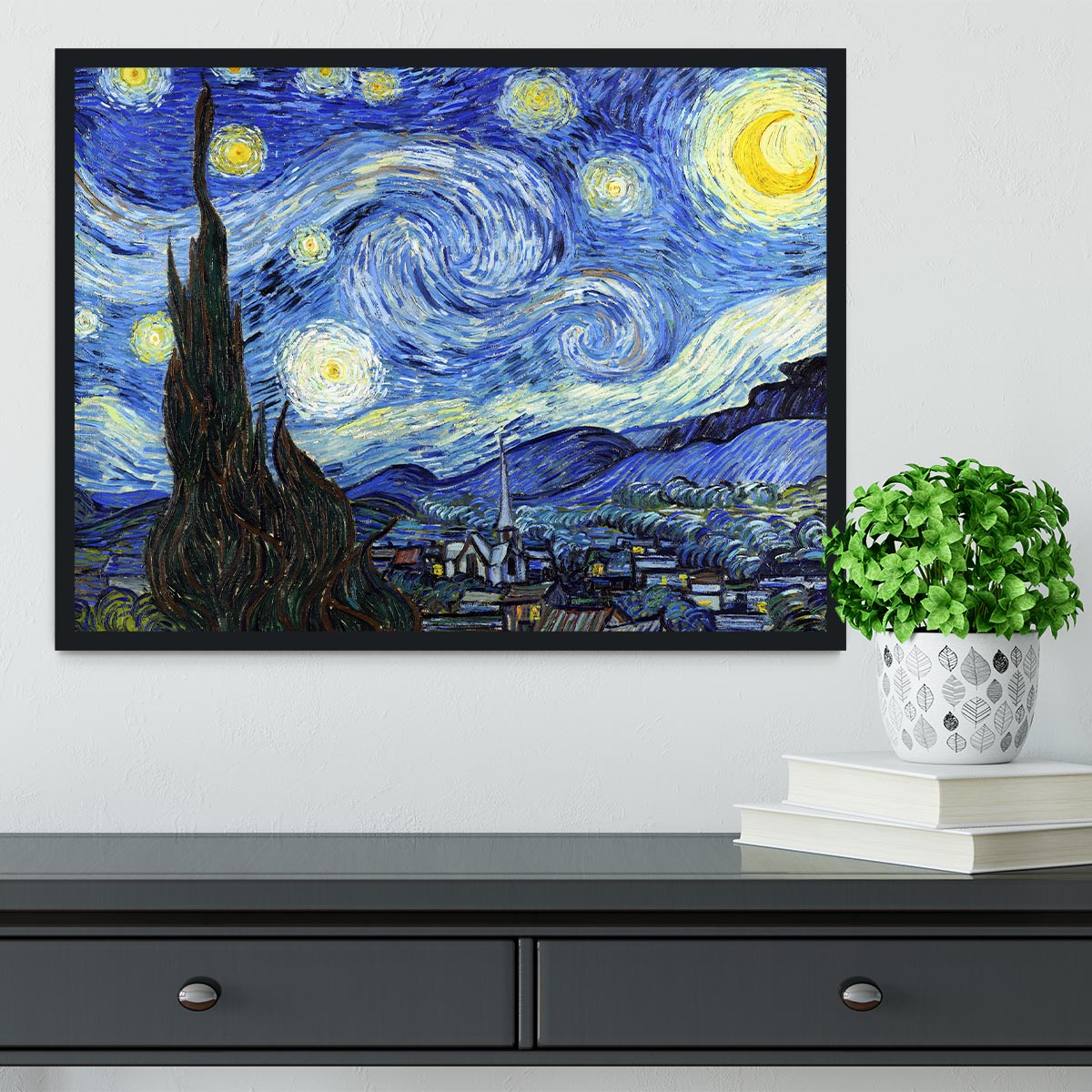
A floating framed canvas is a canvas print set inside a frame with a small gap around the artwork. This gap creates a subtle shadow line, so the canvas appears to “float” within the frame rather than being pressed tightly behind glass.
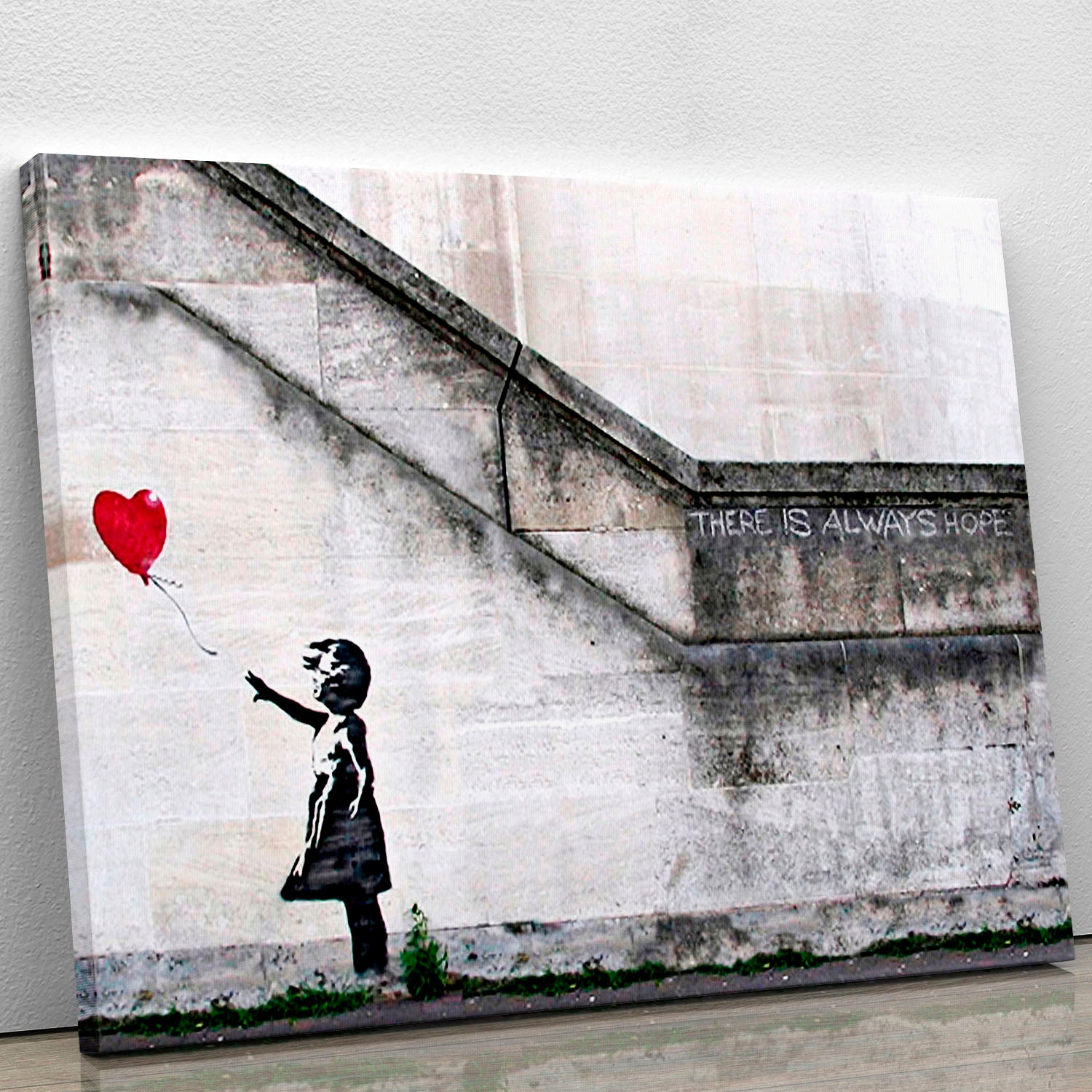
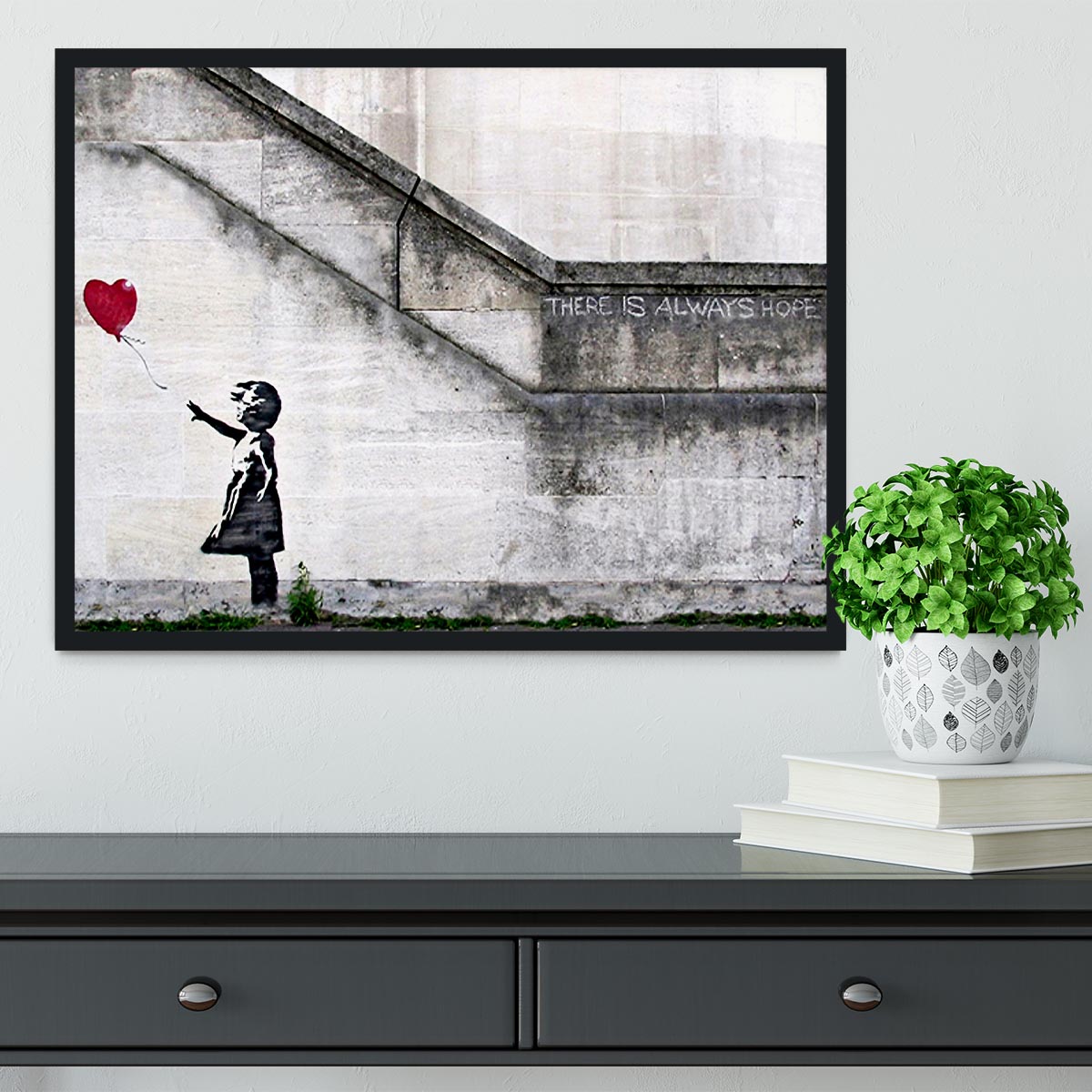
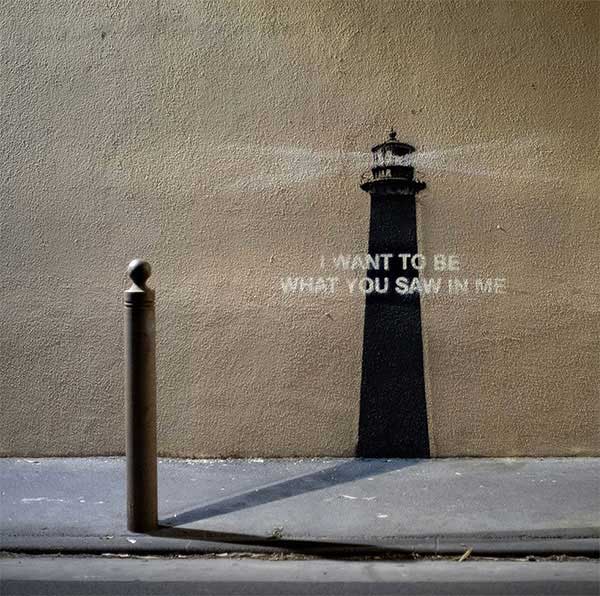
The effect is modern, clean and premium. It works especially well with bold art, graphic pieces, music and movie artwork, street art, landscapes and statement designs where you want the image to keep its canvas character but look more finished on the wall.
If you are decorating a main living space, upgrading a bedroom feature wall or buying a gift that should feel a little more special, floating framed canvas prints are usually the strongest canvas-led choice.
Framed canvas vs framed prints vs standard canvas
The easiest way to compare the formats is to think about finish, depth and mood.
- Floating framed canvas: textured canvas, visible depth, premium edge, modern gallery feel.
- Framed prints: flatter paper print presentation, sharper border, classic framed-art look.
- Standard canvas: simple stretched canvas finish, bold and versatile, often ideal for larger wall coverage.
- Canvas poster: a more flexible poster-style route for shoppers who want the artwork without the heavier premium finish.

For a more traditional look, browse framed prints. For flexible, high-impact wall art across many styles, browse canvas prints and posters.
Best rooms and styles for each format
Living rooms: floating framed canvas works well when the artwork is a focal point above a sofa, fireplace or sideboard. If you are still deciding on scale, our guide to choosing wall art for a living room is a useful next read.
Bedrooms: standard canvas prints and floating framed canvas both work well above a bed. Choose softer colours for a calmer room, or a stronger frame finish if the bedroom has darker furniture or a hotel-inspired look.
Hallways and offices: framed prints are often a safe choice because they feel neat, structured and easy to pair with other decor. Landscape artwork can look especially good here, so the landscape framed prints collection is worth browsing.
Large walls: if you have a wide empty wall, a single large canvas can work, but a multi-panel layout may feel more balanced. For that, compare the options in our split panel canvas prints range.
Size, colour and finish considerations
Before choosing a format, check the wall size and the furniture below it. Wall art usually looks best when it feels connected to the furniture, not stranded in the middle of a blank wall. Above a sofa or bed, aim for artwork that is wide enough to hold the space without overpowering it.
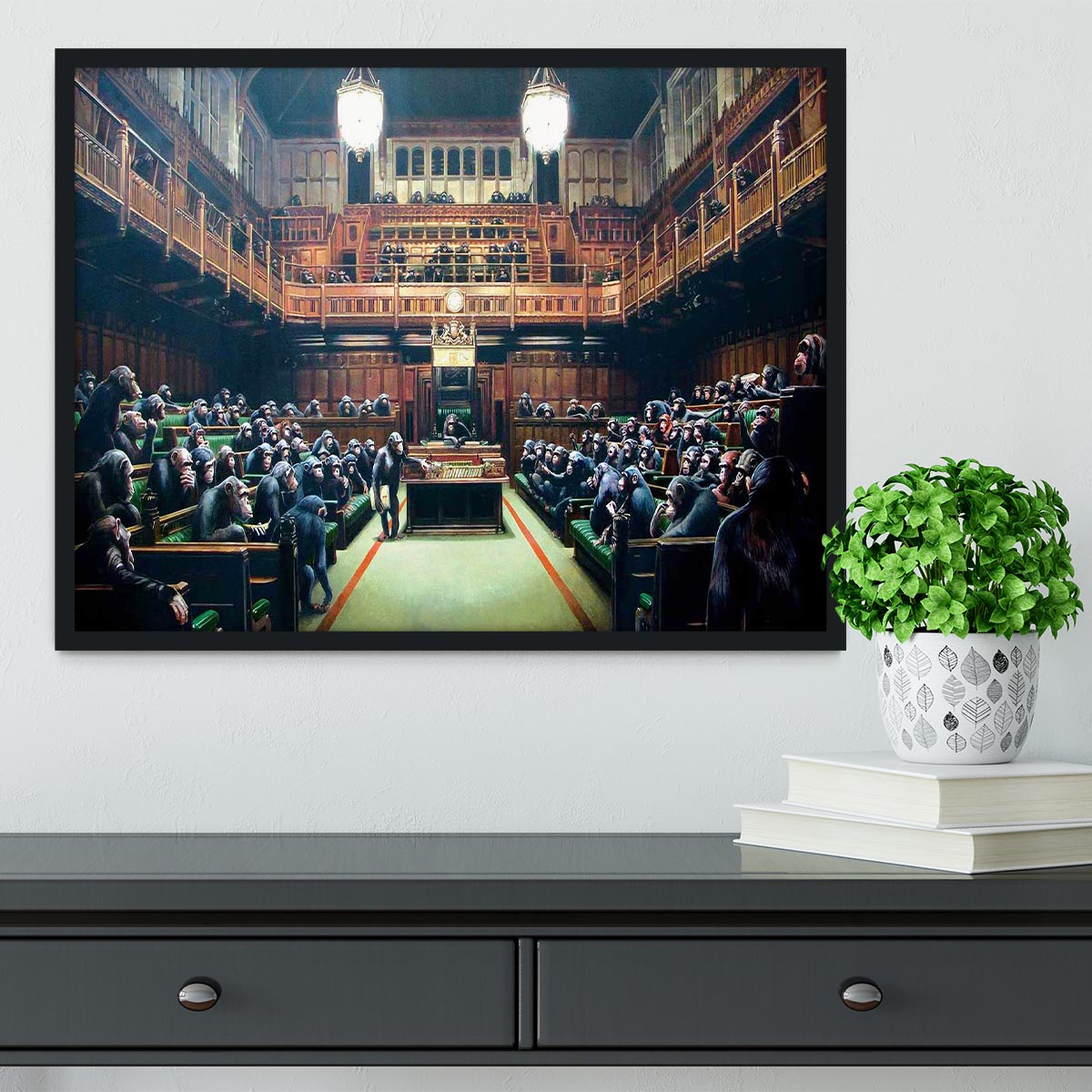
Colour matters too. A black or dark frame can sharpen a room and add contrast. A lighter frame or frameless canvas can feel softer and more relaxed. If the artwork already has strong colour, a floating frame can help contain it visually and make the final piece feel more deliberate.

If you already own a canvas and want practical framing advice, read our separate guide on how to frame canvas art. This article is more about choosing the right format before you buy.
When to choose split canvas or large canvas instead
Floating framed canvas and framed prints are great for a polished finish, but they are not always the answer. If the wall is very wide, a split canvas print can create movement across the space and make the artwork feel intentionally scaled to the room.
Large standard canvas prints can also be the better value choice when you want impact first and framing second. They suit music artwork, movie designs, landscapes, street art and bold graphic pieces where the image itself is doing most of the work.
Shop the right wall-art format at Canvas Art Rocks
If you want the most premium canvas finish, start with floating framed canvas prints. If you prefer a classic framed look, browse framed prints. If you want the broadest choice of styles and sizes, explore canvas prints and posters.
The simplest rule is this: choose the format that matches the room as much as the artwork. A great print matters, but the right finish is what makes it feel at home on your wall.