

How to Choose Wall Art for a Living Room: Sizes, Colours and Layouts
How to Choose Wall Art for a Living Room: Sizes, Colours and Layouts
The right pictures for living room walls can do far more than fill an empty space. They can make the room feel calmer, brighter, more polished or more personal, depending on the colours, scale and style you choose.
If you are trying to pull a living room together, wall art is often the detail that makes everything click. The key is not simply choosing something you like in isolation, but finding artwork that suits the proportions of the room, works with your furniture and adds character without making the space feel cluttered.
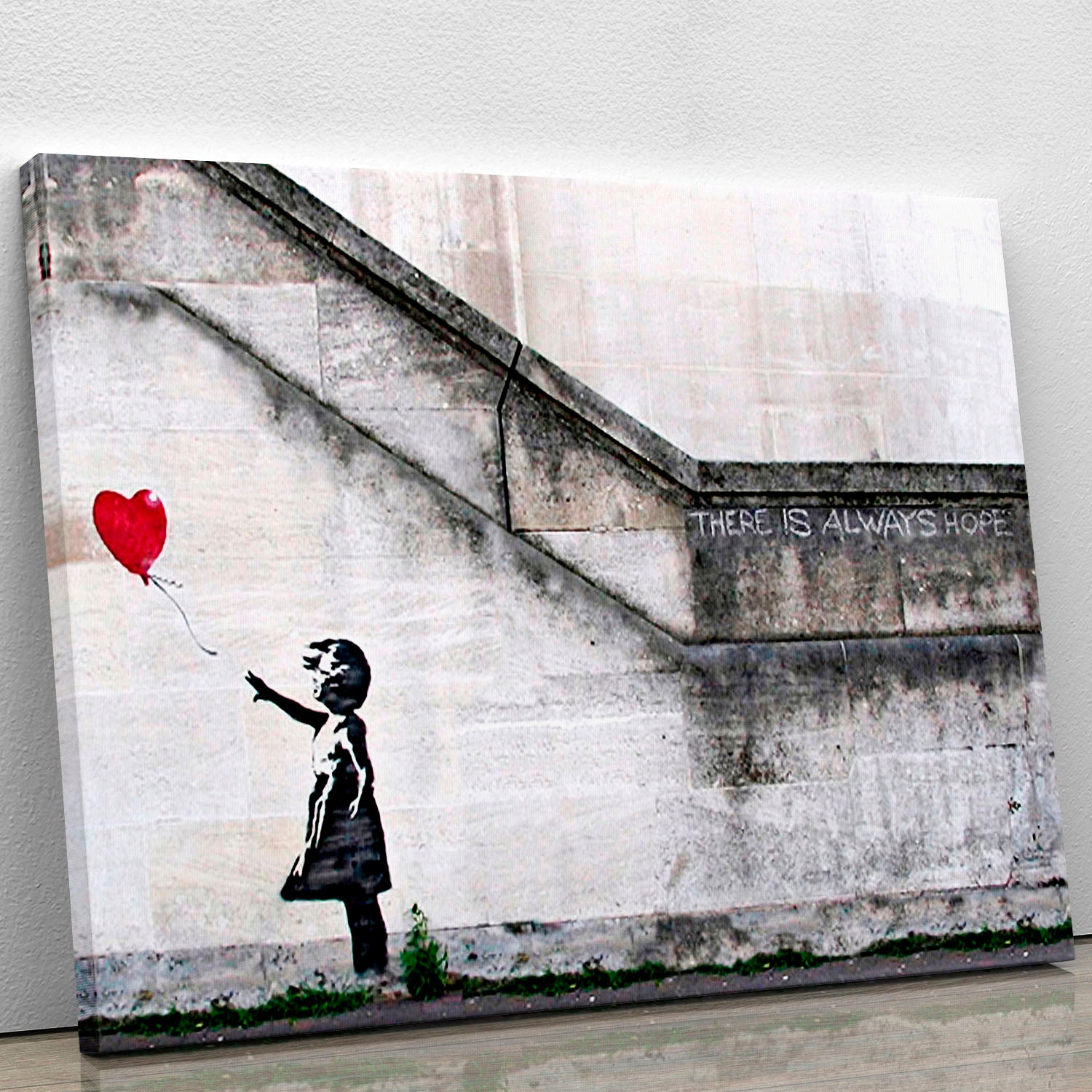
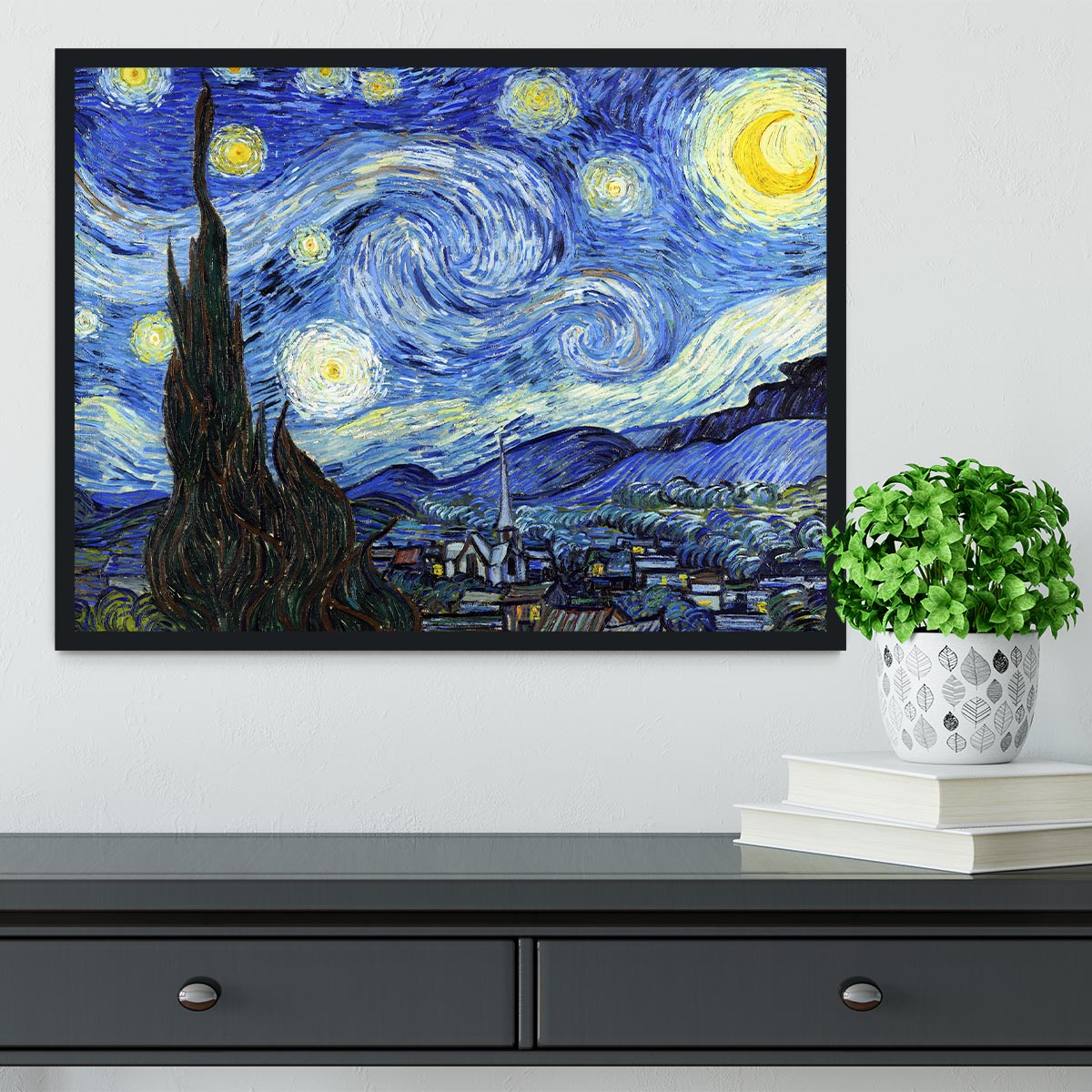
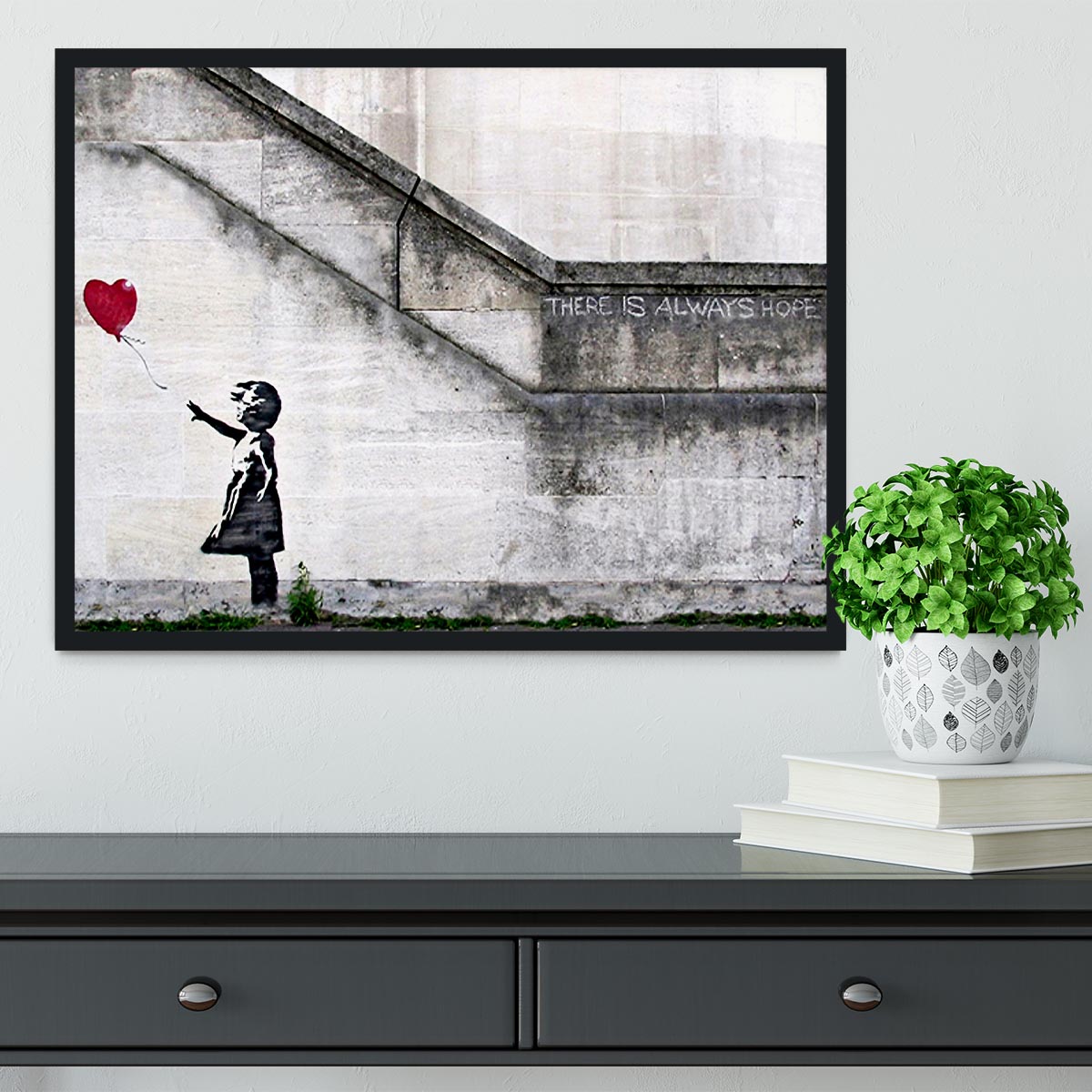
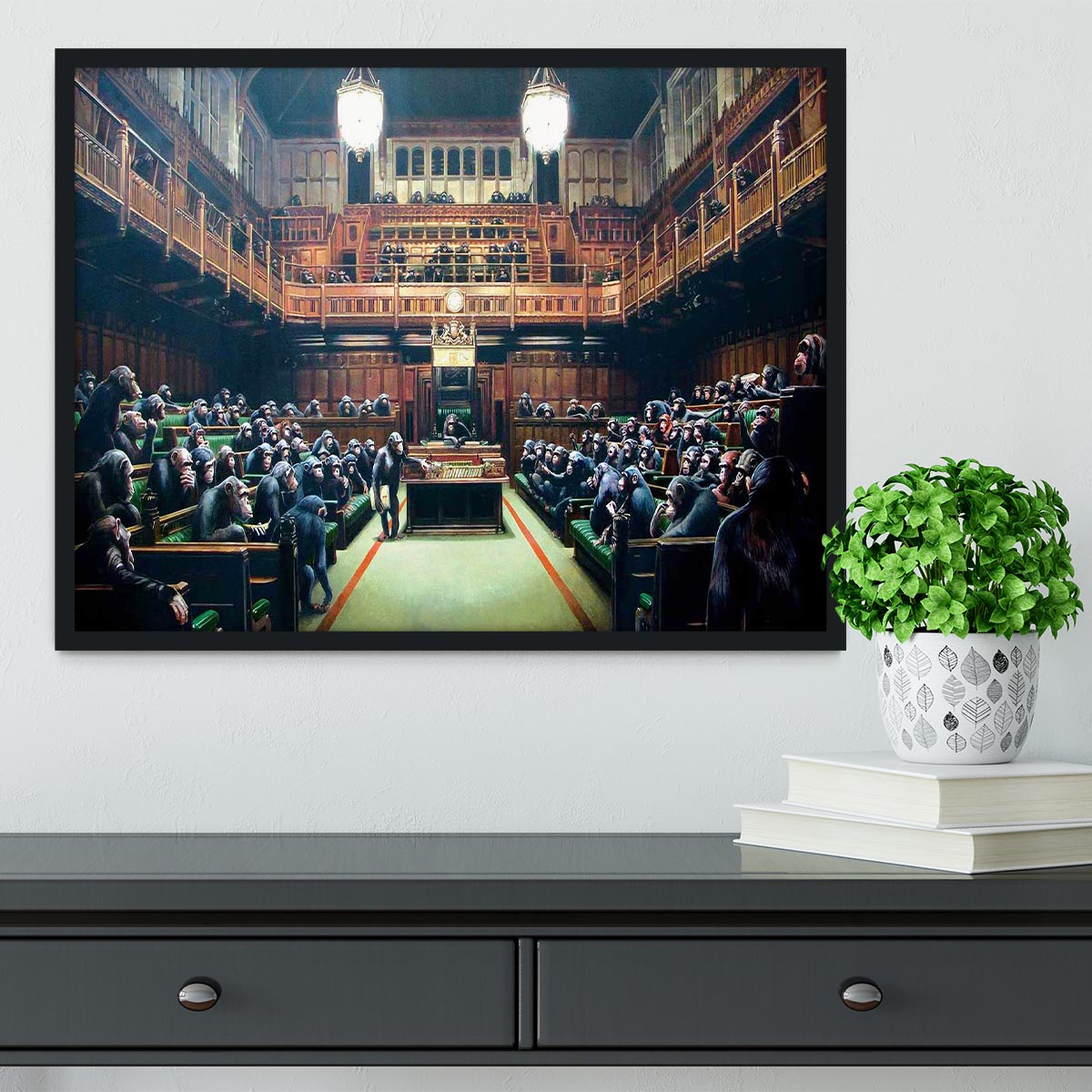
Below, you will find practical advice on sizing, colour choices, layouts and finishes, with clear routes into canvas prints and posters, framed prints and abstract canvas prints when you are ready to compare living-room wall art styles.

If you want a calmer, more natural route, see our landscape wall art ideas guide for choosing framed landscapes, canvas prints and multi-panel scenic art for living rooms, bedrooms and hallways. You can also browse landscape framed prints or landscape canvas wall art.
Assess the room before choosing wall art
Before looking at styles or colours, take a step back and assess the room itself. A piece that looks perfect online can feel far too small, too dark or too busy once it is on the wall if you have not considered the setting properly.
Start with these points:
- Wall size: Measure the width and height of the wall area you want to fill, not just the whole room.
- Ceiling height: Taller ceilings can carry larger or vertically oriented artwork more comfortably.
- Natural light: Bright rooms can handle deeper tones, while darker rooms often benefit from art with lighter backgrounds or soft contrast.
- Furniture placement: Think about what sits below the artwork, such as a sofa, sideboard or fireplace.
- Viewing distance: In larger living rooms, small details can disappear from across the space, so bolder compositions often work better.
This first step helps narrow down whether you need one statement piece, a pair of prints or a more flexible gallery arrangement. It also makes it much easier to choose wall art for living room spaces that feels intentional rather than like an afterthought.
How to choose the right size wall art for a living room
Size is one of the biggest factors in whether art looks balanced. Even beautiful artwork can feel underwhelming if it is too small for the wall.
Single statement piece
A large single artwork works well when you want a clean, confident look. This is often the simplest option above a sofa or fireplace, especially in contemporary spaces. Large scale modern wall art can anchor the room and create an immediate focal point.
Paired prints
Two coordinating pieces suit living rooms that need structure and symmetry. They work especially well above sideboards, console tables or in more formal interiors where balance matters.
Gallery style arrangements
A gallery wall is better when you want the room to feel collected and layered. This approach suits eclectic spaces, family homes and interiors where you want to mix art with mirrors or personal pieces. The trick is to keep a common thread, whether that is colour, frame style or subject matter.
As a general guide, the artwork or arrangement should fill around two thirds to three quarters of the width of the furniture beneath it. This prevents the wall from feeling either empty or overcrowded.
A simple sizing rule for hanging art above a sofa, sideboard or fireplace
If you want an easy rule to follow, aim for the overall width of the artwork to be around 60 to 75 per cent of the width of the furniture below. For example, if your sofa is 210 cm wide, your art grouping should usually span roughly 126 to 158 cm.
For height, hang the piece low enough to feel connected to the furniture. In most living rooms, the bottom of the frame or canvas should sit around 15 to 25 cm above a sofa, sideboard or mantel.
Two common mistakes are choosing art that is too small and hanging it too high. Both can make the room feel disjointed. If you are between sizes, it is often better to go slightly larger, especially with canvas wall art, which tends to read softer and less heavy than thick framed pieces.

Choosing colours that work with your living room
Colour is where wall art starts to influence the whole mood of the room. You do not need to match everything exactly, but the artwork should relate to the space in a clear way.
Match the existing palette
If your living room already feels well put together, choose art that picks up colours from cushions, rugs, curtains or painted walls. This creates a calm, cohesive effect.
Add contrast
If the room feels flat, wall art can introduce contrast. A neutral room may benefit from black, charcoal, rust, navy or deep green accents. In a darker room, creams, soft stone tones and warm whites can lift the space.
Repeat accent tones
One of the easiest ways to make art feel like it belongs is to repeat one or two accent colours already used elsewhere. This could be a muted terracotta from a cushion, a soft gold from lighting or a blue grey from an armchair.
Abstract canvas art is especially useful here because it often blends multiple tones in a way that feels fluid rather than rigid. That makes it easier to bridge different finishes and materials in the room.
When to choose modern wall art for a living room
Modern wall art tends to work best in rooms with clean lines, simple furniture shapes and a more edited look. If your living room uses contemporary lighting, neutral upholstery, metal accents or minimal styling, modern artwork usually feels more natural than heavily traditional pieces.
This does not mean the room has to feel stark. Soft abstract forms, layered neutrals and textured finishes can keep modern interiors warm and inviting. In many cases, wall art prints for living room settings with a modern feel work best when they add subtle interest rather than too many tiny details.
Look for modern styles when your room features:
- Streamlined sofas and furniture
- Neutral or monochrome colour schemes
- Open plan layouts
- Glass, black metal or marble inspired finishes
- A preference for uncluttered styling
Using abstract art for walls to add movement, texture and depth
Abstract wall art is a strong choice when you want visual interest without tying the room to one literal subject. It can soften hard lines, bring movement to a static layout and add depth through layered tones and painterly effects.
This is particularly helpful in living rooms where representational art might feel too formal or too busy. Abstract art for walls can create atmosphere while leaving enough ambiguity for the room to feel calm.
Abstract styles are often useful when you want to:
- Add texture to a neutral room
- Introduce colour in a softer way
- Create a focal point in a minimalist space
- Connect several tones already used in the room
- Bring in a contemporary look without sharp contrast
If you are styling an open plan home, abstract canvas paintings can also help link adjoining spaces together because they are versatile and less theme dependent than more literal artwork.
How to choose between canvas and poster style wall art
Format changes the feel of the room as much as the artwork itself. Browse canvas prints and posters if you want flexible size and finish options, or framed prints and wall art for a neater gallery-style look.

The finish you choose affects both the look and feel of the room. Canvas and poster style prints can feature similar artwork, but they create different impressions.
Canvas wall art
Canvas has a softer, more textured appearance and often feels more substantial on the wall. It suits modern interiors particularly well and can make larger pieces feel elegant without being too formal. It is a strong option for statement pieces and oversized abstract designs.
Choose canvas wall art when you want:
- A clean, gallery inspired finish
- Less glare in bright rooms
- A frameless or minimal look
- A softer, more painterly feel
Poster style wall art
Poster prints, especially when framed, can be a flexible and budget friendly option. They work well in gallery walls or when you like to update your decor more often. They can also suit more graphic or typographic styles.
If your goal is a polished focal point in the main seating area, abstract canvas prints or other large format canvases often feel more elevated. If you are building a layered arrangement, framed prints may offer more variety.
Best wall art layouts for living rooms
The layout matters just as much as the artwork itself. The same prints can feel calm and balanced in one arrangement or awkward in another.
Centred above the sofa
This is the easiest and most reliable layout. Centre one large piece or a grouped arrangement over the sofa and keep the spacing visually even on both sides.
Symmetrical pairs
Two matching or coordinating prints create order and suit more structured spaces. This works well in formal living rooms or around fireplaces and built in shelving.
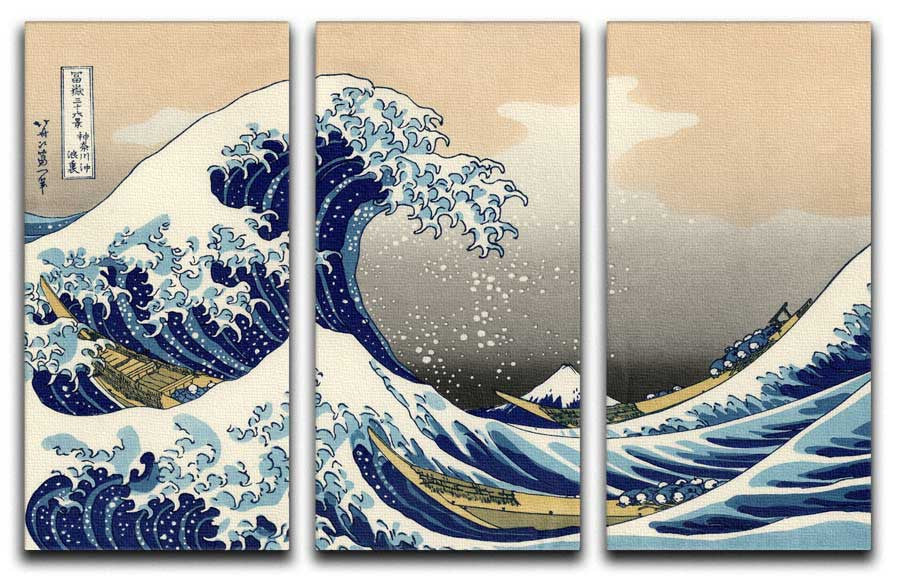
Triptychs
A triptych, where one image is split across three panels or three related artworks are hung together, is ideal for wide walls. It creates impact while keeping the look lighter than one very heavy piece.
Relaxed gallery walls
Gallery walls feel more informal and expressive. Start by laying the arrangement out on the floor first, then keep the spacing between pieces consistent. Try to maintain one visual link, such as a shared palette, recurring shape or common frame finish.
For most living rooms, simpler arrangements tend to age better. If in doubt, choose fewer, larger pieces rather than many small ones.

Ideas by room style
Neutral living rooms
In neutral spaces, artwork can add warmth through layered beige, taupe, stone, soft grey and black tones. Abstract canvas art with gentle movement helps the room feel finished without disrupting the calm palette.
Bold colour schemes
If your room already includes strong colour, look for art that echoes one or two shades rather than all of them. This keeps the result deliberate instead of chaotic.
Marble inspired interiors
Marble inspired living rooms often suit fluid abstracts, monochrome palettes and soft metallic accents. Black, white, grey and muted beige compositions can feel especially elegant here.
Darker feature walls
Against deep paint colours such as navy, charcoal or forest green, artwork with lighter contrast can stand out beautifully. This is often where modern wall art for living room schemes has the strongest impact, especially in oversized formats.
Common wall art mistakes to avoid
A few avoidable mistakes can make even good art look wrong in the room. Watch out for these:
- Hanging art too high: The artwork should relate to the furniture, not float far above it.
- Choosing pieces that are too small: Undersized art is one of the most common issues in living rooms.
- Using too many competing colours: Too much variation can make the room feel busy.
- Ignoring orientation: A horizontal piece often suits a sofa wall better than a narrow vertical one.
- Overcrowding a gallery wall: Leave enough breathing room between pieces.
- Forgetting the rest of the room: The best wall art prints for living room spaces work with the furniture, lighting and textiles already there.
How to create a cohesive look with abstract canvas prints across spaces
If your living room opens into a hallway, dining area or staircase, repeating elements across nearby spaces can make the whole home feel more connected. You do not need matching pieces everywhere, but choosing artwork from a related style, palette or finish helps create flow.
For example, you might use one larger abstract canvas in the living room, then carry similar tones into smaller pieces in the hallway. This works particularly well with abstract canvas prints because they are available in a wide range of colours and compositions while still feeling visually linked.
If you are aiming for continuity, keep an eye on:
- Repeated accent colours
- Similar canvas or frame finishes
- Consistent undertones, such as warm neutrals or cooler greys
- A shared modern or abstract style direction
Final buying checklist
Before making a final choice, run through this quick checklist:
- Size: Is the artwork wide enough for the wall and furniture beneath it?
- Palette: Does it connect with colours already used in the room?
- Orientation: Would horizontal, square or vertical work best?
- Finish: Do you want canvas, framed print or another look?
- Placement: Will it sit above a sofa, sideboard, fireplace or on a feature wall?
- Style: Does it suit the overall mood of the room, whether soft, bold, minimal or layered?
This small step can save you from choosing something that looks good on its own but does not quite work once it is in place.
Conclusion: choosing pictures for living room spaces with confidence
Ready to compare options? Start with abstract wall art for modern focal points, framed prints for a polished finish, or canvas prints and posters for the widest choice of living-room-ready styles.
The best pictures for living room walls are the ones that feel balanced in scale, thoughtful in colour and easy to live with every day. When size, layout and finish are considered together, the artwork does not just decorate the room, it helps shape its atmosphere.
If you are drawn to a clean, contemporary look, exploring abstract canvas prints can be a simple way to find a modern focal point that complements a wide range of interiors. Whether you prefer subtle neutrals, marble inspired tones or bolder statement pieces, the right art should make your living room feel more complete and more personal.