

How to Clean Canvas Art Prints Without Damaging the Finish
How to Clean Canvas Art Prints Without Damaging the Finish
Canvas art prints are designed to be enjoyed out in the open, which is part of their appeal. Unlike glass covered frames, the printed surface is more exposed to dust, accidental marks and everyday handling. That means knowing how to clean canvas art prints properly is less about deep cleaning and more about gentle, regular care.
This guide is for anyone with stretched canvas pieces at home who wants a safe, realistic maintenance routine. It explains what you can do yourself, what to avoid, and when it is better to stop and seek professional help. If you are browsing canvas prints and posters for easy to style wall décor, good aftercare is one of the simplest ways to keep them looking crisp for longer.

What makes canvas art prints different to clean
Canvas prints need a gentler approach than glass fronted wall art because the image sits on a textured surface rather than behind a protective pane. Even when the print has a light coating or varnish, the finish can still be affected by rubbing, excess moisture or harsh cleaning products.
A few things make cleaning canvas prints more delicate:
- Textured weave: Dust settles into the fibres and surface texture, so rough wiping can catch on the weave.
- Printed finish: The image layer can scuff, dull or lift if cleaned too aggressively.
- Stretched construction: Canvas is pulled over a wooden frame, which means too much pressure can dent or loosen it.
- Framed versus unframed pieces: Floating frames and framed canvas prints collect dust around edges and corners, while unframed canvases are more exposed on the sides.
This is also why protecting canvas art prints starts with prevention. In most homes, routine dusting is enough. Deep cleaning is rarely needed and should never be treated like cleaning glass, plastic or sealed furniture.
Before you start: what to check first
Before doing anything more than a light dust, take a closer look at the piece.
- Confirm the format: A canvas print is not the same as a poster. Posters are usually printed on paper and may be behind glazing, so they have different care needs.
- Check for a surface coating: Some canvas art prints have a varnish or protective finish, while others have a more matte, open surface.
- Look for existing damage: Loose corners, sagging canvas, flaking areas, cracking, water marks or mould all need extra caution.
- Assess the mark: If it is simply dust, dry cleaning is safest. If it is greasy, sticky or stained, home treatment may do more harm than good.
- Test cautiously: If you plan any spot cleaning at all, always test the least visible area first with the driest possible method.
If the piece is sentimental, valuable or already damaged, skip experimentation. It is far safer to preserve the current condition than risk spreading the problem.
The safest way to dust canvas art prints at home
For most people asking how to dust canvas wall art, the good news is that simple dry dusting is usually all that is needed. Done gently, it supports basic canvas print maintenance without putting the finish at risk.
Step by step routine
- Wash and dry your hands. Clean hands reduce the chance of transferring oils to the canvas edges.
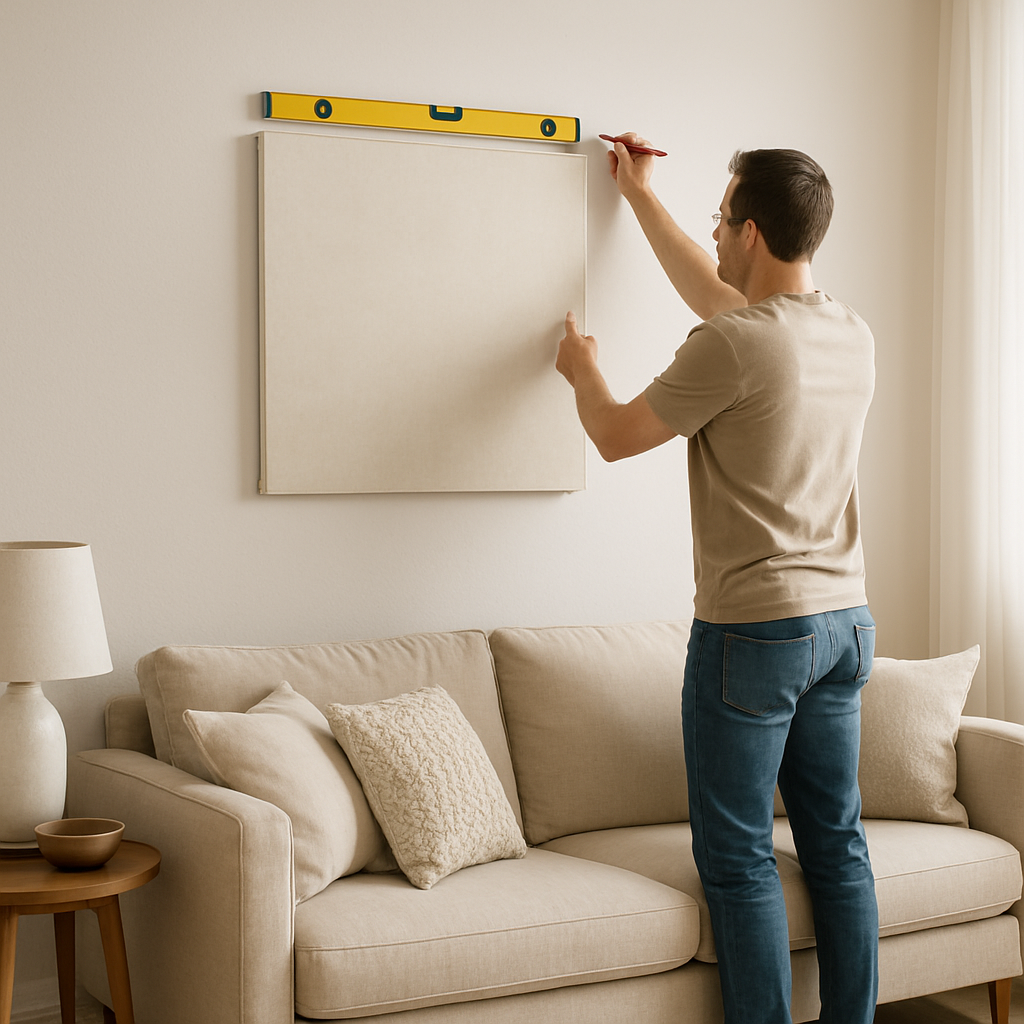
- Decide whether to leave it hanging or take it down. Small, secure pieces can often be dusted on the wall. Larger pieces are easier to support safely on a stable, clean surface.
- Support the canvas from behind. If the piece is unframed or lightly stretched, place one hand behind the area you are dusting to avoid pressing the front inward.
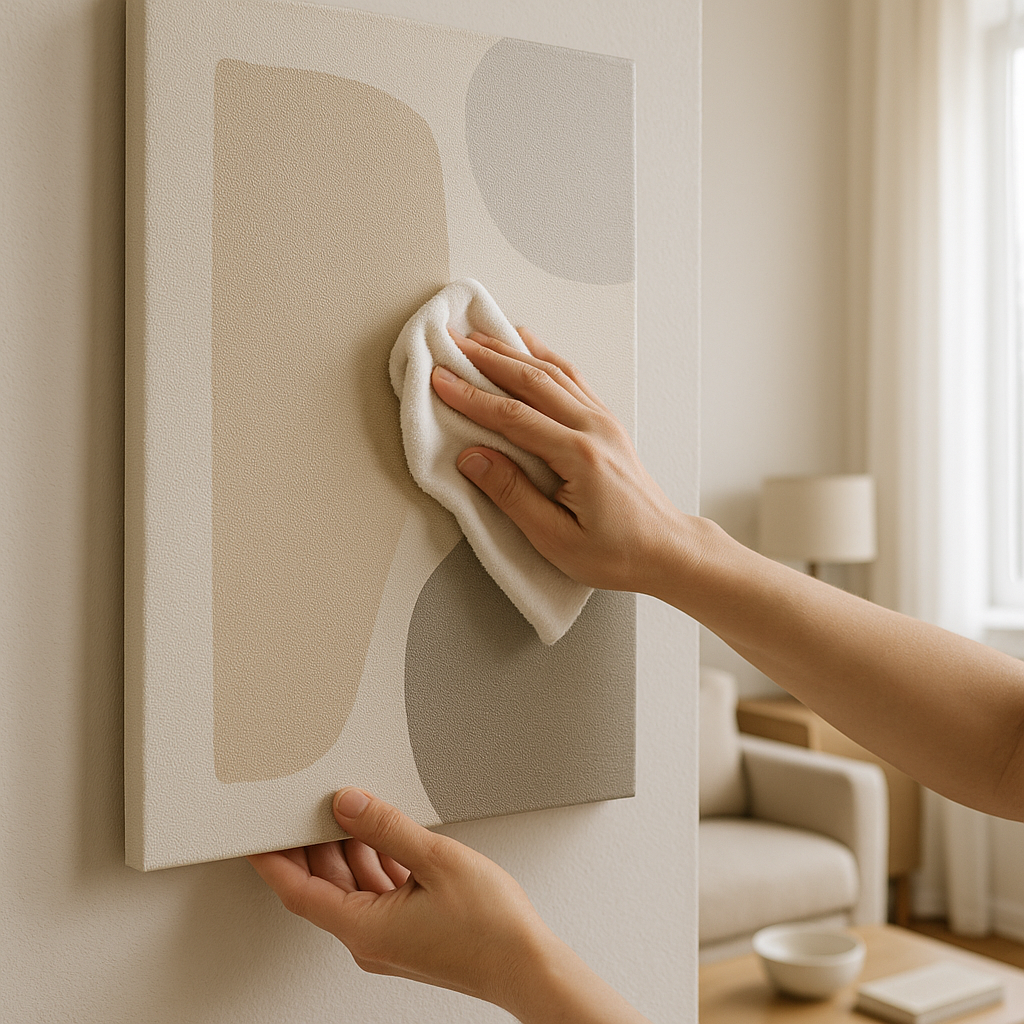
- Use a dry microfibre cloth, very soft brush or feather duster. Move lightly across the surface rather than scrubbing in circles.
- Work from top to bottom. This stops dust falling onto areas you have already cleaned.
- Clean the edges and corners gently. Dust often gathers along the stretcher bars and around floating frame gaps.
- Repeat little and often. A quick dust every few weeks is better than leaving heavy build up for months.
If you have ready to hang canvas wall art displayed away from steam and cooking residue, this simple routine is usually enough to keep it looking fresh.
How to clean light marks without damaging the finish
When a canvas has a faint scuff or a small, dry mark, minimal spot cleaning may be possible, but only with great care. The aim is not to fully restore the print. It is simply to see whether the lightest touch removes surface debris without affecting the image.
Use the driest possible method first:
- Start with a clean, dry microfibre cloth or a very soft artist style brush.
- Touch the area lightly rather than rubbing back and forth.
- Work from the outside of the mark inward only if needed, using almost no pressure.
- Stop immediately if the finish looks duller, the colour transfers, or the mark spreads.
If a dry method does not shift the mark, do not escalate straight to water or household products. This is where many people accidentally damage the surface. When cleaning canvas prints, restraint matters more than persistence.
What not to use on canvas art prints
If you have ever wondered, can you clean canvas prints with the same products used elsewhere in the home, the safest answer is usually no. Many common cleaning methods are too harsh for the printed finish.
- Water sprays: Moisture can soak into the canvas, distort the surface or affect inks and coatings.
- Household cleaners: These may contain solvents, detergents or fragrance oils that stain or strip the finish.
- Baby wipes: Even gentle sounding wipes often contain moisture, additives and surfactants.
- Abrasive cloths: Rough fabrics can scratch the print or catch on the textured weave.
- Magic erasers: These are mildly abrasive and can remove part of the printed surface.
- Soaking or dampening the canvas: Excess moisture can lead to warping, tide marks, mould or adhesive problems.
- Hard vacuum attachments: Strong suction and rigid tools can pull at the canvas or scuff corners.
In short, avoid anything wet, chemical based, gritty or forceful. Safe care is about protecting the surface, not trying to make it look newly printed again.
How to clean framed canvas prints and floating frame edges
How to clean framed canvas prints is slightly different because you need to deal with both the artwork and the frame. Dust often settles in the corners, along the top edge and in the narrow gap between the canvas and a floating frame.
A safe method is:
- Dust the frame first using a dry microfibre cloth.
- Use a soft brush for corners and recessed edges where cloths cannot reach easily.
- Support the artwork if you take it off the wall, especially with larger pieces.
- Gently dust the canvas surface separately, using the same dry method as above.
- Check the back for cobwebs or dust around hanging fixtures and stretcher bars.
Take extra care not to drag dust from the frame across the printed face. If cleaning while the piece is still hanging, keep one hand steady on the lower edge so it does not swing against the wall.
How to keep canvas wall art cleaner for longer
The best approach to how to care for canvas art is to reduce the need for cleaning in the first place. Placement makes a noticeable difference.
- Avoid kitchens where possible: Airborne grease is harder to remove than ordinary dust.
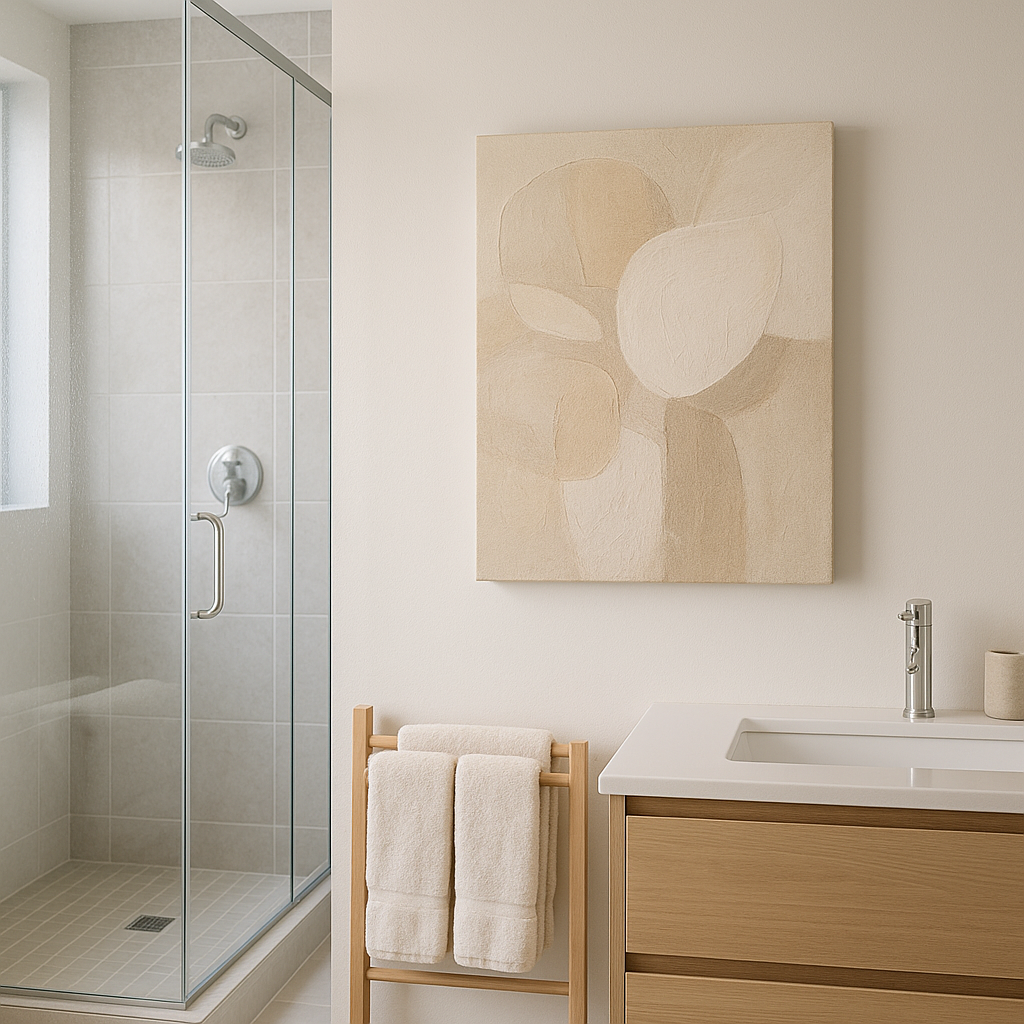
- Be careful in bathrooms: Steam and condensation increase the risk of moisture damage and mould.
- Keep away from radiators and heat sources: Repeated heat can dry materials unevenly over time.
- Limit direct sunlight: Strong sun can contribute to fading.
- Think about high traffic areas: Hallways, playrooms and tight staircases are more prone to knocks and fingerprints.
- Dust regularly: Light, frequent maintenance is easier and safer than occasional heavy cleaning.
Well made wall art prints tend to be easier to maintain when they are properly displayed, hung securely and kept in stable indoor conditions.
When a canvas print should not be cleaned at home
There are times when home cleaning is not the right option. Stop and seek professional advice if you notice any of the following:
- Grease or oily residue
- Mould or musty spotting
- Water damage or tide marks
- Ink transfer or smudging
- Flaking, cracking or lifting on the surface
- A torn, sagging or loose canvas
- A valuable, original or highly sentimental artwork
These issues usually need specialist assessment rather than DIY treatment. Attempting to fix them at home can make conservation more difficult and more expensive later.
Canvas prints vs posters: different care needs to know
Although they are often grouped together as wall décor, canvas prints and posters do not behave the same way when cleaned. Canvas has a textured fabric surface and stretched structure, while posters are usually paper based and may sit behind acrylic or glass in a frame.
That means poster care depends more on the frame materials, glazing and paper condition. Dusting the outside of a glazed poster frame is generally straightforward, but moisture trapped inside the frame or direct contact with unprotected paper can still cause damage.
This guide stays focused on canvas art prints, but if you own both formats it is worth remembering that the safest method for one is not always right for the other.
Frequently asked questions
Can you use a damp cloth on canvas prints?
It is best to avoid a damp cloth unless the manufacturer has given specific care instructions saying it is safe. In most cases, dry methods are the lowest risk option.
How often should you dust them?
Every few weeks is a sensible routine for most homes. In busier rooms or dusty spaces, a light dust each week may help prevent build up.
Can you vacuum canvas wall art?
It is not usually recommended. Strong suction and hard attachments can stress the canvas or damage the finish. A soft, dry cloth or brush is safer.
What if the print already looks faded or stained?
Fading is often linked to sunlight or age, and staining can be difficult to treat without affecting the print further. If the piece matters to you, get professional advice before trying stronger cleaning methods.
How do you remove dust from canvas art in textured areas?
Use a very soft brush or feather duster with light strokes, and support the canvas from behind if needed. Avoid digging into the weave or pressing into the surface.
Conclusion
Knowing how to clean canvas art prints safely comes down to a simple rule: keep it dry, light and gentle. Routine dusting is usually enough, while heavy cleaning, moisture and scrubbing create the biggest risks. A careful maintenance habit will do more for longevity than any aggressive attempt to lift stains.
If you are updating your space, exploring canvas prints and posters can make it easier to style your walls with pieces that are simple to care for and enjoyable to live with every day.