
How to Frame Canvas Art: What Works Best for Different Styles
How to Frame Canvas Art: What Works Best for Different Styles
If you are wondering how to frame canvas art, the short answer is this: most stretched canvases are best framed with a floating or tray style frame, while some pieces look just as good left unframed. The right choice depends on the depth of the canvas, the style of the artwork and the finish you want in the room.
Framing can make canvas art feel more polished, more intentional and better suited to your space. It can also help bridge the gap between casual décor and a more curated look, especially if you are mixing canvas pieces with posters or other wall art prints.
If you already know you want a finished look, browse our framed canvas art collection or compare styles in our wider framed prints range.
What it means to frame canvas art
Before choosing a frame, it helps to know what type of canvas you have. When people ask how to frame a canvas art piece, they are usually talking about a stretched canvas. This is a printed or painted canvas that has already been pulled tightly over a wooden stretcher bar frame.
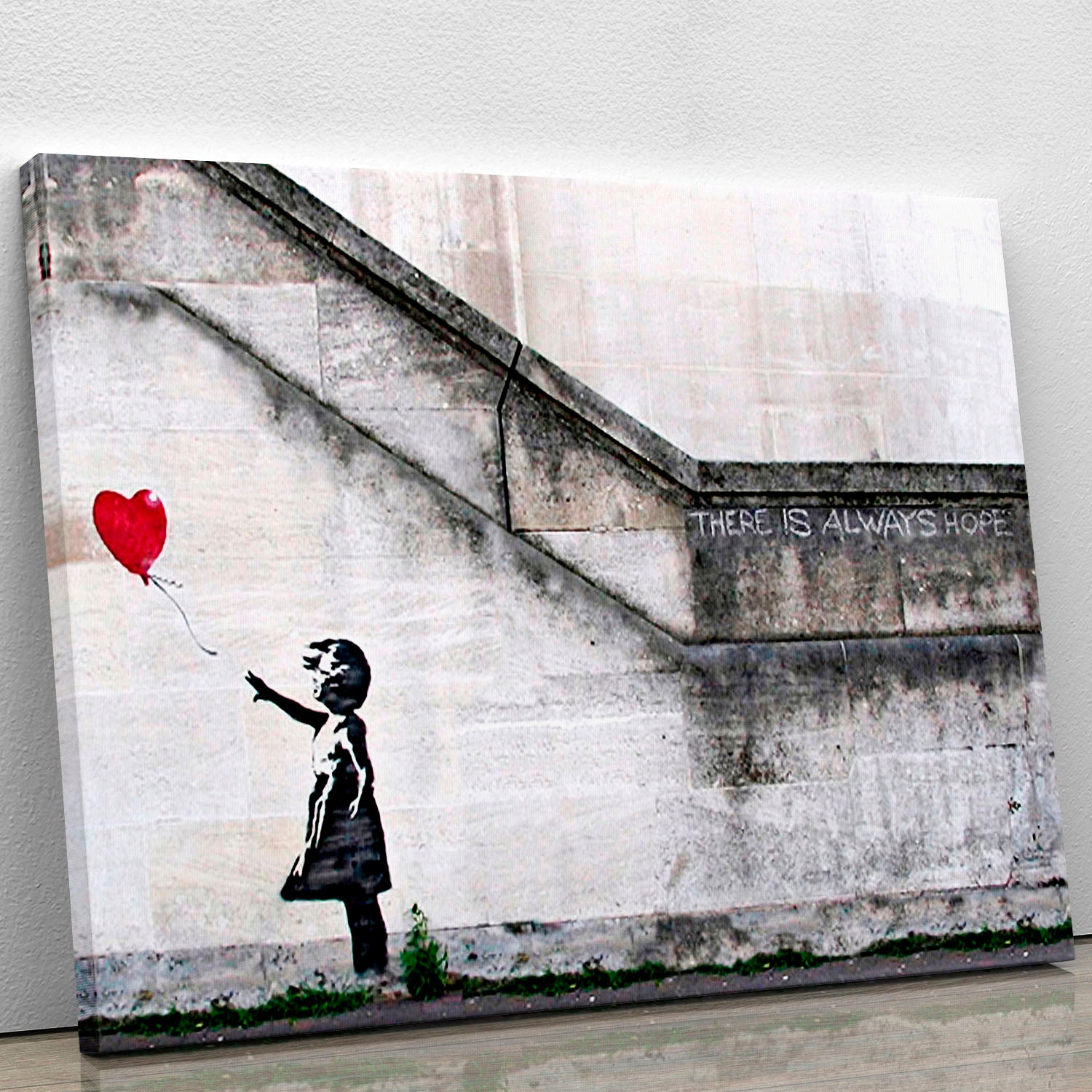
You may also see the term box canvas. This usually describes a deeper stretched canvas with thicker sides, often designed to be hung without an outer frame. Because the image may continue around the edges, box canvases often look finished on their own.
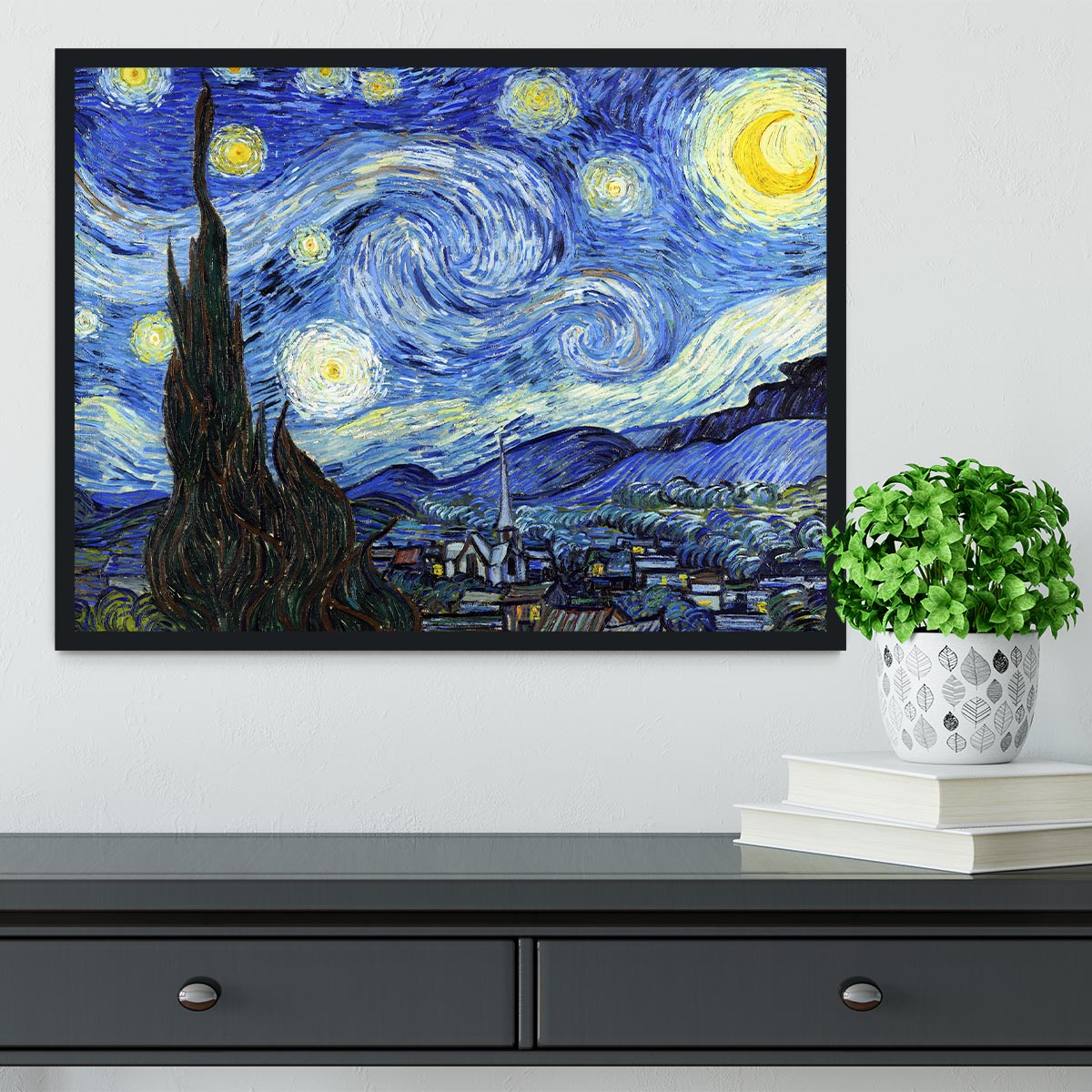
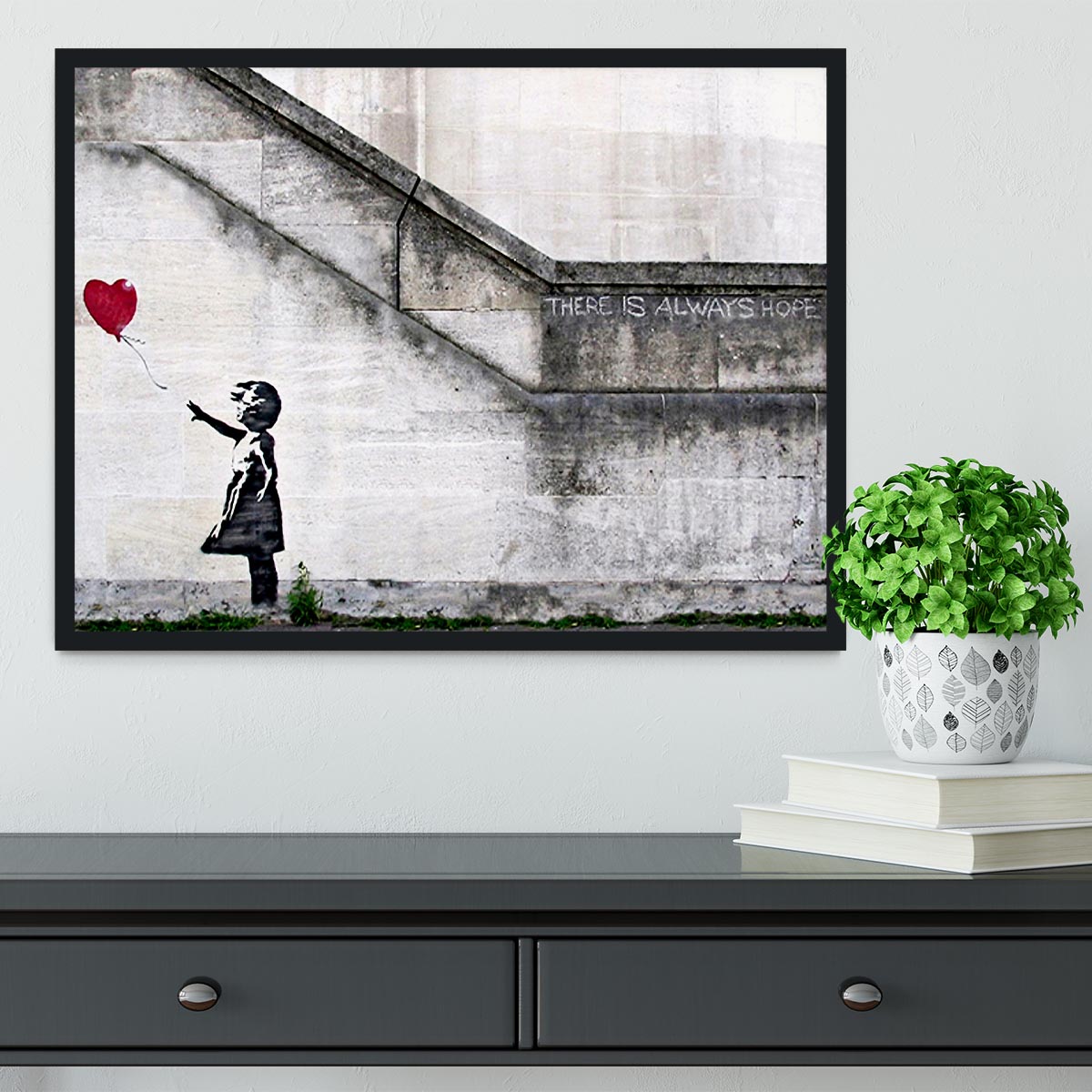
A floating frame, sometimes called a canvas floater frame, sits around the outside of the stretched canvas with a small gap between the frame and the artwork. That gap creates the impression that the canvas is floating inside the frame. It is one of the most popular ways to frame canvas art because it looks neat without pressing against the front of the piece.

Can you frame canvas art, and when is it worth doing?
Yes, you can frame canvas art, and in many cases it improves the final look. If you have ever asked, can you frame canvas art, the answer is almost always yes, as long as you choose a frame designed for canvas depth rather than a standard picture frame.
Framing tends to work best when:
- you want a more finished, gallery style appearance
- the canvas feels visually lost on a large wall
- you are matching the piece with other framed artwork nearby
- the artwork is formal, classic or highly decorative
- you want the frame colour to tie into furniture, flooring or fixtures
Leaving a canvas unframed can be the better option when:
- the canvas has wrapped edges that are part of the design
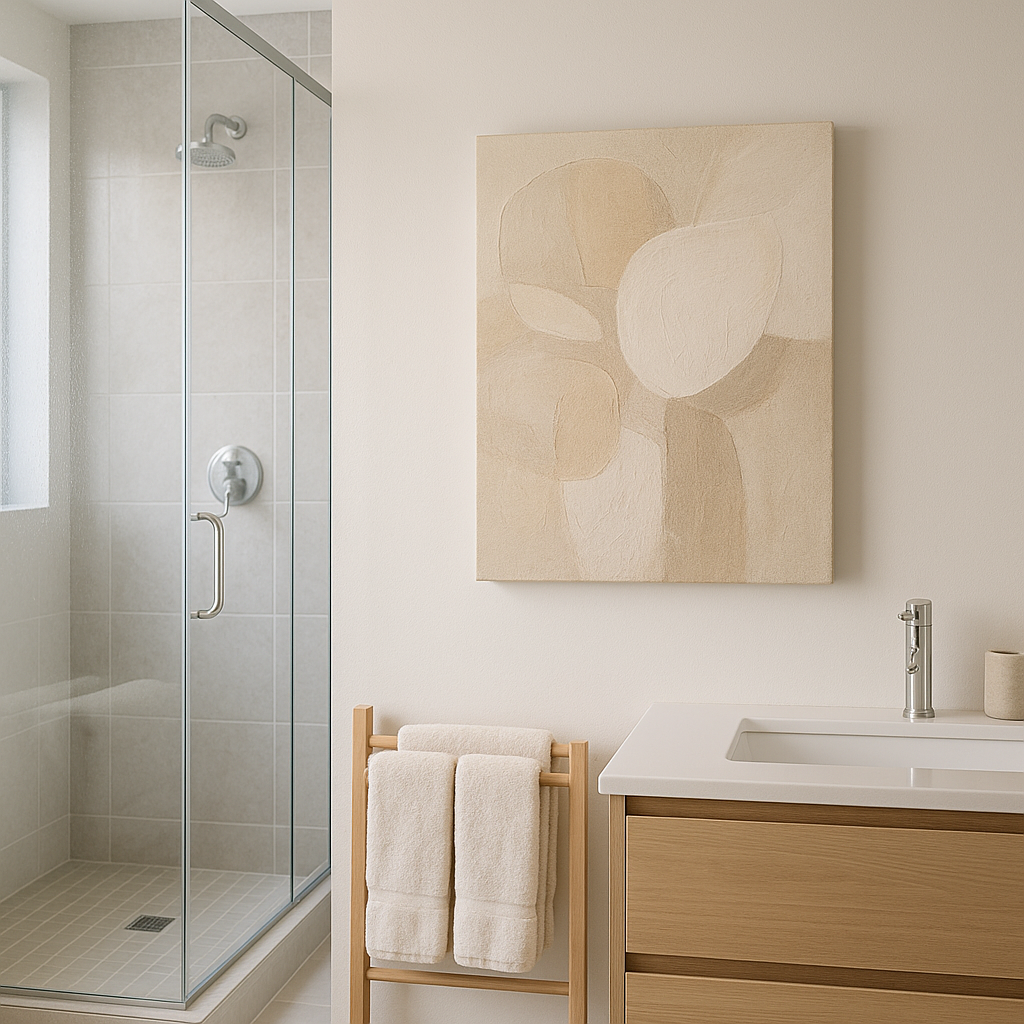
- the artwork is very modern, minimal or casual
- you want a lighter, less formal feel
- you are decorating on a tighter budget
- the piece is already a deep box canvas made to stand alone
A balanced approach often works best. Not every piece needs framing, and not every room benefits from a more structured look.
How to frame canvas art: the main options explained
If you want to know how do you frame canvas art properly, start by choosing the right frame style for the canvas construction. A standard glazed picture frame is rarely the best fit for a stretched canvas. Instead, look for frames made specifically for canvas depth.
| Frame type | Best for | Look | Notes |
|---|---|---|---|
| Floating frame | Modern, abstract, contemporary interiors | Clean and gallery inspired | Leaves a slim gap around the canvas |
| Tray frame | Traditional, classic or substantial pieces | More solid and grounded | Can add weight and presence |
| Floater frame in decorative finish | Statement art and room matched styling | Flexible from subtle to bold | Finish matters as much as profile |
| Unframed canvas | Box canvases, casual spaces, minimalist rooms | Relaxed and simple | Works best when edges are neatly finished |
Option 1: floating frames for a clean gallery style finish
Floating frames are often the easiest recommendation for modern homes. They suit stretched canvas beautifully because they do not press on the front surface. Instead, the frame surrounds the canvas and gives it a crisp border.
This style works especially well for:
- abstract canvas art
- black and white photography on canvas
- minimal line work
- contemporary interiors
- medium to large canvas wall art
If you like a neat, elevated finish without making the piece feel too formal, a floating frame is usually the safest choice.
Option 2: tray frames for a more traditional or substantial look
Tray frames have a slightly more enclosed feel. They can make the artwork look weightier and are often a good match for classic or detailed pieces. If your artwork has a traditional subject, muted palette or decorative feel, a tray frame can add depth and presence.
They are particularly useful when the canvas itself feels a little light for the scale of the room. In a large hallway or above a mantel, that extra structure can help the piece hold its own.
Option 3: canvas floater frames in wood, black, white and metallic finishes
The finish you choose can change the mood of the artwork just as much as the frame profile itself.
- Natural wood works well with botanical prints, landscapes, earthy palettes and relaxed interiors.
- Black gives contrast and definition, making it ideal for modern and graphic artwork.
- White keeps things light and understated, especially in Scandinavian or coastal schemes.
- Metallics such as brass or champagne can suit glamorous, music inspired or colourful statement pieces when used sparingly.
For many canvas wall art designs, the best frame finish is the one that links the piece to the room rather than competing with it.

Why canvas art is usually framed without glass
Most canvas pieces are framed without glass. That is because a stretched canvas has texture and depth, and glass can flatten the visual effect. It can also create reflections that make the artwork harder to enjoy.
Unlike paper based wall art prints, canvas does not usually need glazing in the same way. Standard framed paper prints often benefit from glass or acrylic for protection, but canvas art is generally presented open fronted.

The main exceptions are rare and usually custom. For example, if a mixed media piece is especially delicate or going into a high risk environment, specialist framing advice may be worthwhile. For most ready to hang canvas art prints, no glass is needed.
Choosing the right frame for different art styles
Framing modern and abstract canvas art
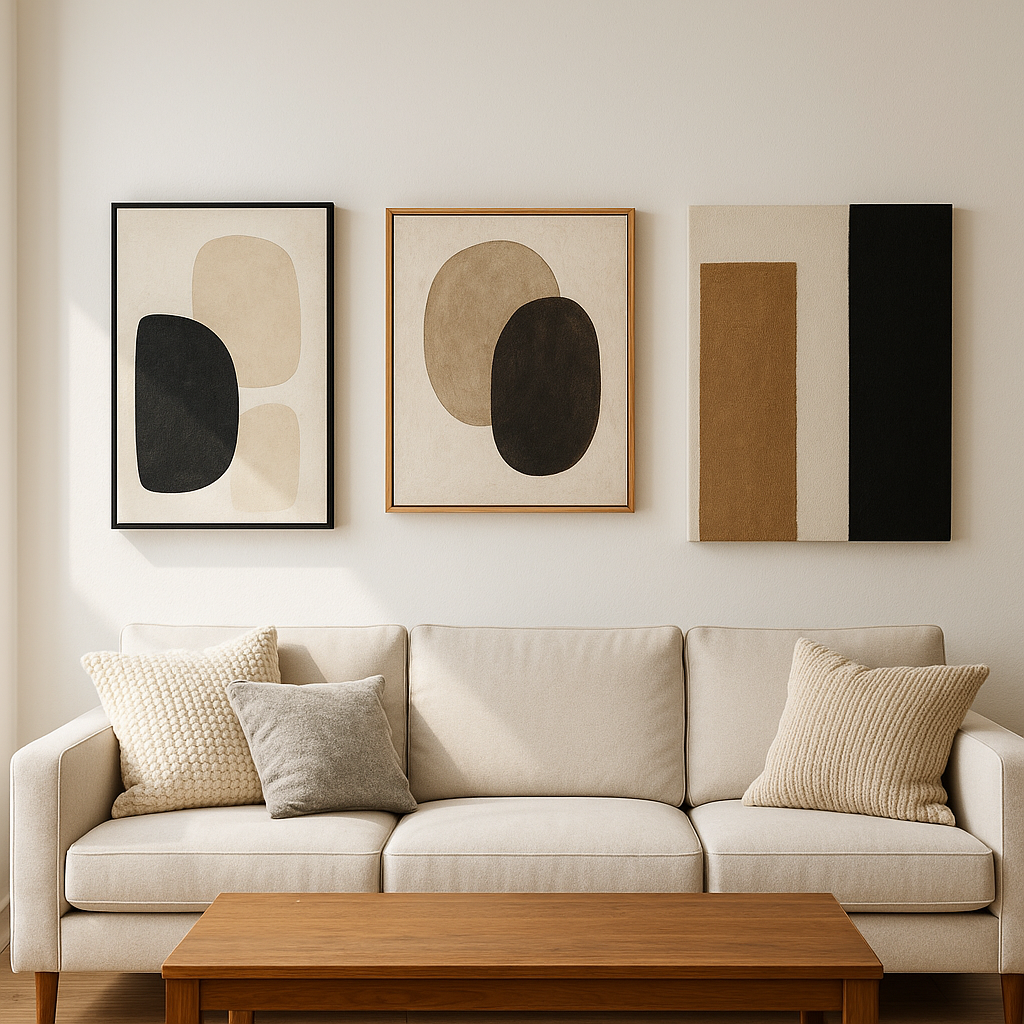
Modern and abstract pieces usually look best in simple floating frames. Think slim black, white or oak finishes that define the edges without stealing attention.
If the artwork is bold and colourful, a restrained frame helps keep the balance. If the piece is minimal, a black frame can sharpen the overall look and make it feel more architectural.
Framing botanical, landscape and classic artwork
Botanical prints, landscapes and more traditional subjects often suit warmer woods and slightly more substantial frames. Mid oak, walnut effect and soft painted finishes can all work well depending on the room.
Here, the aim is to complement the tone of the artwork. A frame that feels too stark can make a soft landscape seem disconnected, while a gentler finish supports the mood.
Framing music inspired, colourful or statement wall art
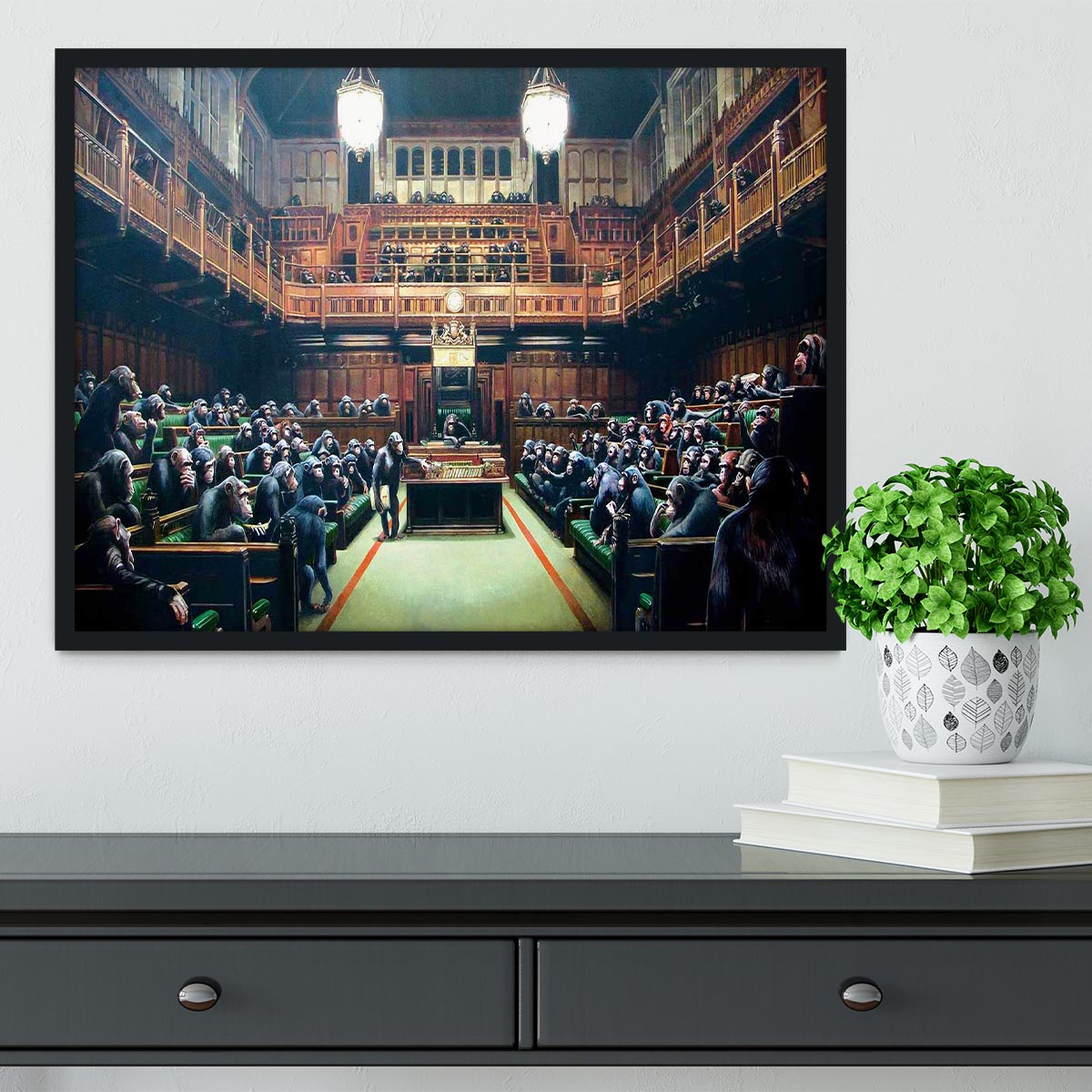
For expressive pieces, contrast can be your friend. A black frame often gives colourful canvas art prints a strong outline that helps them stand out. White can work well too if the room is bright and modern.
Metallic or darker wood finishes can also suit statement pieces, particularly where you want the artwork to feel more dramatic. The key is to let the art remain the focus.
Matching the frame to the room
The room matters almost as much as the artwork. A frame that looks perfect in one setting can feel out of place in another.
Living room ideas
In living rooms, framed canvas art often works best when it ties into larger furniture pieces. Black frames can echo lighting or side tables, while oak tones can relate to flooring, shelving or coffee tables. For larger feature walls, framed canvas prints and posters can be mixed for a layered but coordinated display.
Bedroom ideas
Bedrooms usually benefit from softer choices. Light wood, off white or slim neutral frames can keep the look calm. If the artwork sits above the bed, avoid a frame that feels too visually heavy unless the rest of the room is equally bold.
Hallway ideas
Hallways are often narrow, so frames need to add polish without making the space feel crowded. Slim profiles are usually best. A consistent frame finish across several pieces can make the area feel longer and more intentional.
Home office ideas
Home offices suit artwork that feels focused and motivating. Black, walnut and clean lined floating frames often work well here, especially with graphic or music themed canvas art. If you are combining formats, matching frame colours across canvas and poster pieces can create a more cohesive working space.
How to measure a canvas correctly before ordering a frame
One of the biggest mistakes people make when learning how to frame canvas art is measuring only the front face and ignoring the depth.
Use this simple checklist before ordering:
- measure the width of the canvas from edge to edge
- measure the height from top to bottom
- measure the depth of the stretcher bar
- check whether the corners are square and even
- confirm whether the supplier lists internal frame dimensions or overall outer size
Canvas frames need to fit the depth as well as the width and height. A frame that matches only the front dimensions may still be unusable if the canvas is too deep.
Step by step: how to frame a stretched canvas safely at home
If you already have the right size frame, fitting it is usually straightforward.
- Place the frame face down on a clean, padded surface.
- Check the orientation of the artwork before inserting it.
- Lower the stretched canvas into the frame gently from the back.
- Make sure the gap around the canvas is even if using a floating frame.
- Secure the canvas using the fixings supplied with the frame.
- Tighten carefully so the canvas is held firmly but not forced.
- Add hanging hardware if it is not already attached.
- Lift and inspect the front before hanging.
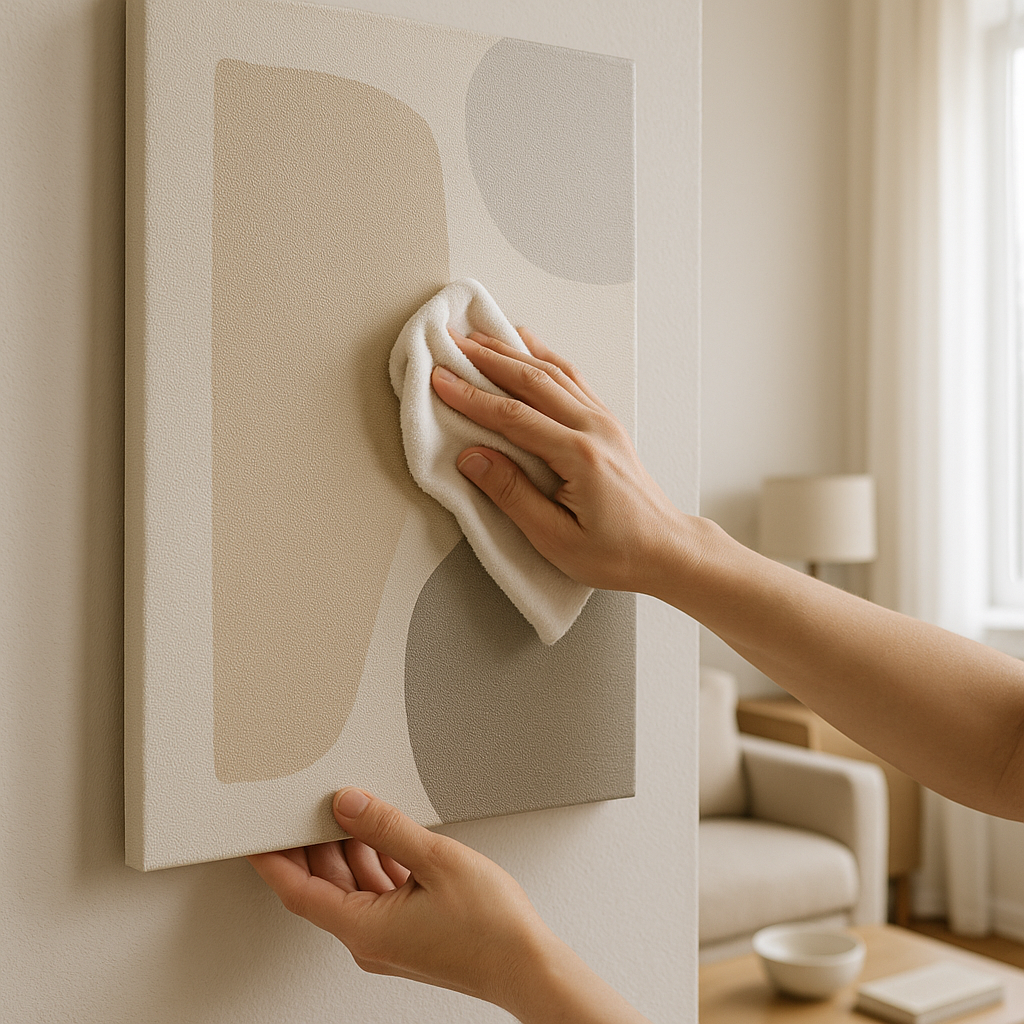
Avoid pushing on the canvas surface itself. Always handle it by the wooden stretcher bars where possible.
Common framing mistakes that can spoil the finished look
Even beautiful canvas art can look awkward if the framing details are off. Watch out for these common problems:
- choosing the wrong depth frame for the canvas
- using a style that is too bulky for the artwork
- picking a finish that clashes with the room
- measuring inaccurately
- trying to use a standard picture frame designed for paper prints
- adding glass unnecessarily
- selecting a frame colour louder than the artwork itself
When in doubt, simpler is often better. The frame should support the art, not overwhelm it.
Should you frame canvas art or leave it unframed?
This is often the real decision behind the question how do you frame canvas art. Sometimes the best answer is not to frame it at all.
Choose framing if you want:
- a more finished and elevated appearance
- greater visual impact on a large wall
- consistency with other framed artworks
- a way to tie the piece into your décor
Leave it unframed if you want:
- a more relaxed, contemporary feel
- to keep costs lower
- to show off wrapped edges on a box canvas
- a lighter visual effect in smaller rooms
In practical terms, unframed canvases are often easier and more budget friendly. Framed canvases, however, can look more refined and deliberate. Neither option is universally better. It depends on the piece, the room and the effect you want.

What to look for when choosing frame ready canvas art online
If you are buying online and want flexibility later, check the product details carefully. Good listings for canvas art prints should tell you:
- whether the artwork is stretched and ready to hang
- the exact width, height and depth
- whether the edges are printed or plain
- if the canvas suits floating or tray frames
- what overall style the piece is designed to complement
This is especially helpful when browsing collections that include both canvas and poster formats. If you are comparing canvas prints and posters, it helps to think about which pieces you want framed, which can stay unframed and how the formats will sit together on the wall.
Styling framed canvas art with posters and other wall art prints
Canvas and paper based artwork can work beautifully together when they share a common thread. That might be colour, subject matter, frame finish or spacing.
For example, you might use one larger framed canvas as the anchor piece, then surround it with smaller posters or complementary wall art prints in matching or related frames. This creates depth and variation without making the display feel messy.
If you enjoy mixing formats, browsing coordinated wall art prints and canvas pieces can help you build a gallery wall that feels collected rather than accidental.
Quick answers to common framing questions
Can you frame canvas art?
Yes. Most stretched canvas pieces can be framed using a floating or tray frame made for the correct depth.
Do you need glass when framing canvas art?
Usually no. Most canvas art is framed without glass so the texture and surface remain visible.
Which frame style suits modern interiors best?
For modern interiors, slim floating frames in black, white or natural wood are usually the most versatile choice.
Ready to choose the right finish?
If you want the polished canvas look without arranging separate framing, start with our floating framed canvas prints. For a classic picture-frame finish, browse framed prints. If you prefer a simpler, flexible option, explore canvas prints and posters and choose the format that best suits your wall.
Finding the framing style that suits your artwork and space
Knowing how to frame canvas art comes down to three things: the type of canvas you have, the style of the artwork and the feel you want in the room. Floating frames are ideal for a clean modern finish, tray frames can add more substance, and some box canvases are better left exactly as they are.
If you keep proportions, finish and room style in mind, framing becomes much easier to judge. The best result is one that makes the artwork feel settled in the space, whether that means a slim black floater, a warm wood surround or no frame at all.